Masai Mara National Reserve
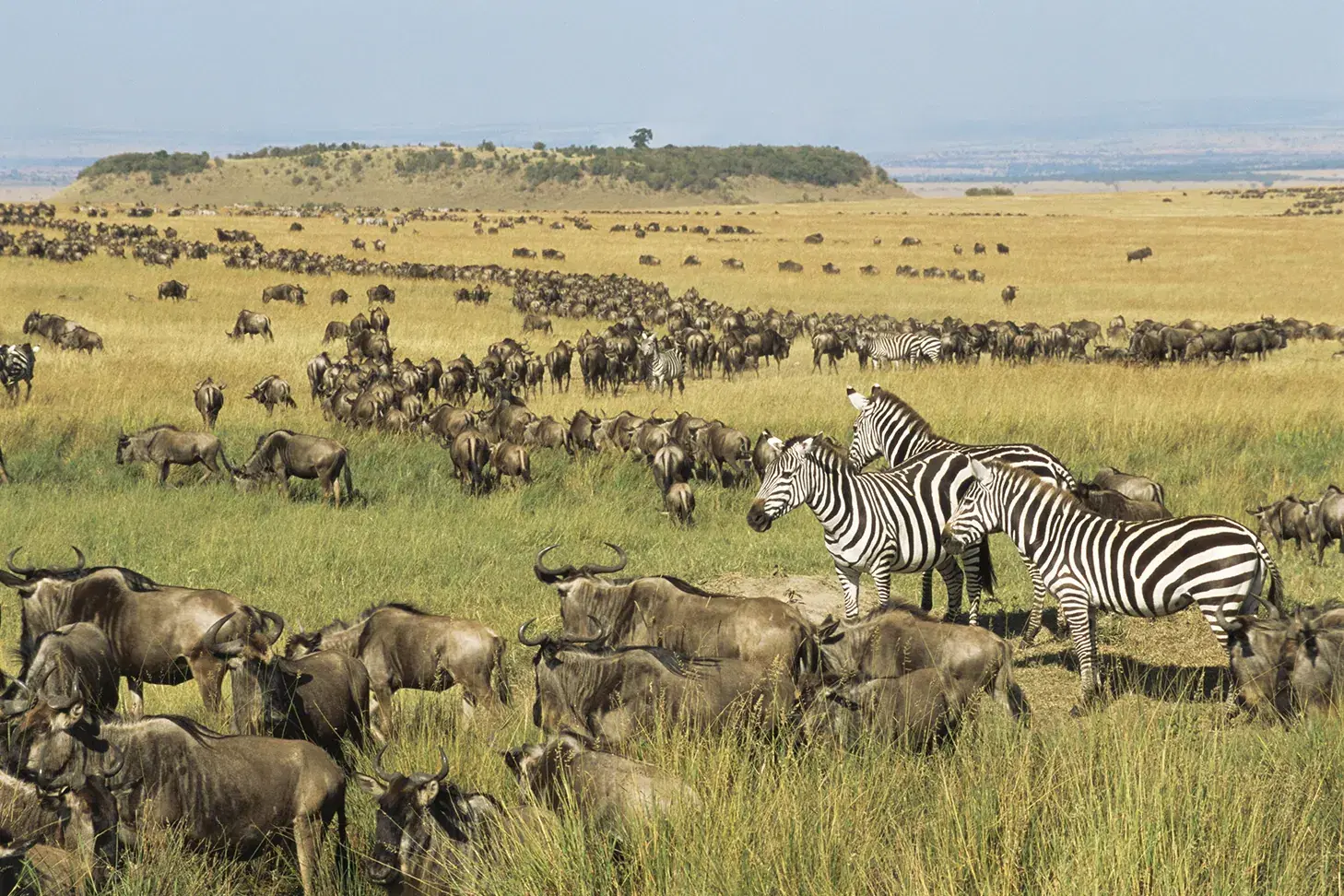
The Kenyan half of the Mara-Serengeti ecosystem. A high density of lion, cheetah and leopard all year round, and the great migration passing through between July and October.
Destination
Open savannah, big cats and the great migration: Kenya is the safari you picture before you ever set foot in Africa, and it still lives up to it.
The word safari was born here — in Swahili it simply means journey. Kenya has been receiving travellers for more than a century, and it shows in the things that matter: guides who know the ground metre by metre, well-run parks and logistics that work.
What sets Kenya apart is how much variety it packs into short distances. A single overland route takes you from the endless savannah of the Masai Mara to the lakes of the Great Rift Valley, and on to the semi-arid north of Samburu, home to wildlife you will not find anywhere else on the continent.
It works equally well as a first safari and as a return trip for someone who already knows Africa and wants depth: you can take it slowly, without changing country or adding unnecessary internal flights.
If you are deciding on the month, read when to travel and where the migration is each month.
The Masai Mara is open plain with very little tall vegetation. That geography is precisely why sightings are so frequent and so clear: predators hunt in the open, and watching them does not depend on catching a gap between the trees.
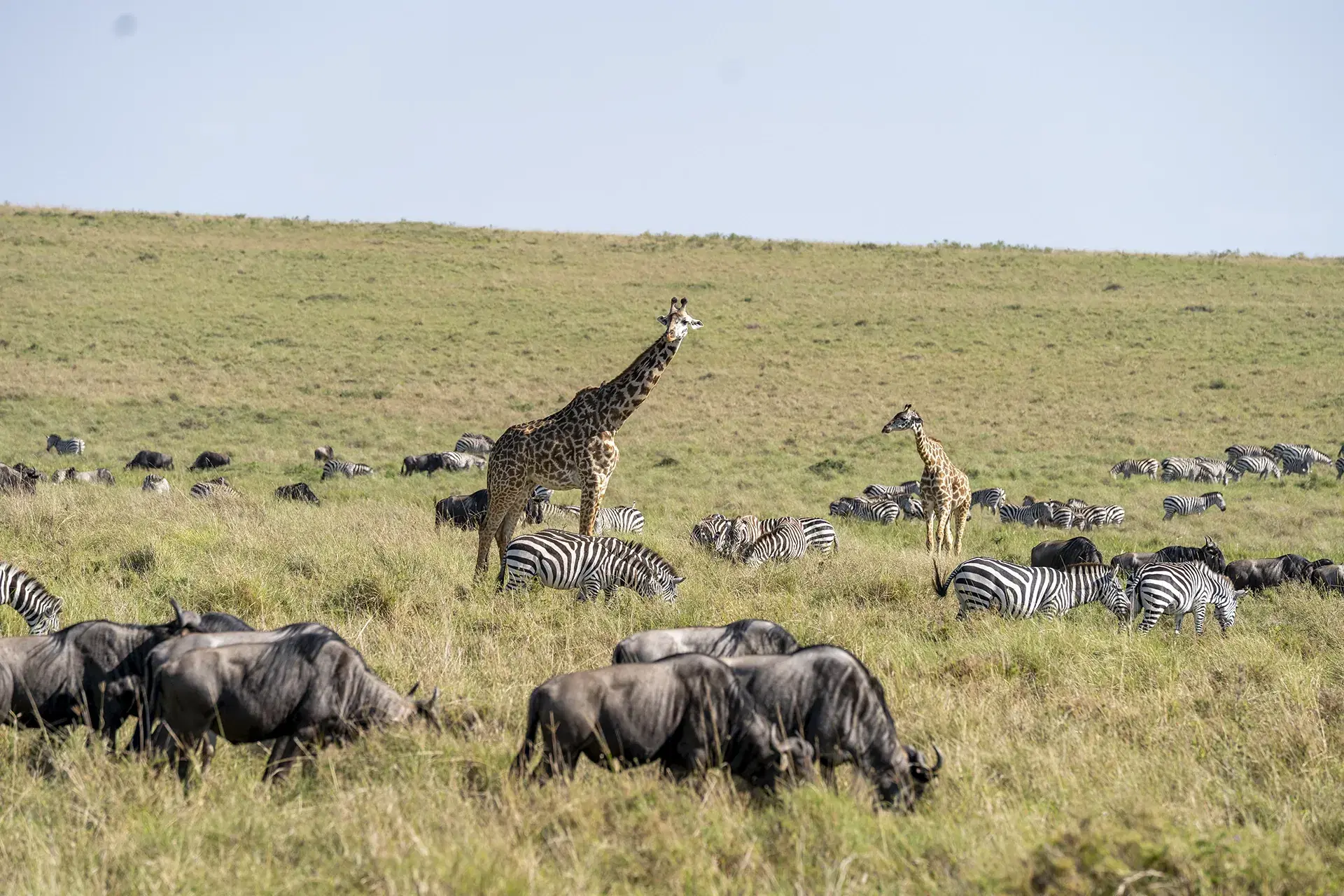
The settings we combine according to how much time you have and what you want to see.
The Kenyan half of the Mara-Serengeti ecosystem. A high density of lion, cheetah and leopard all year round, and the great migration passing through between July and October.
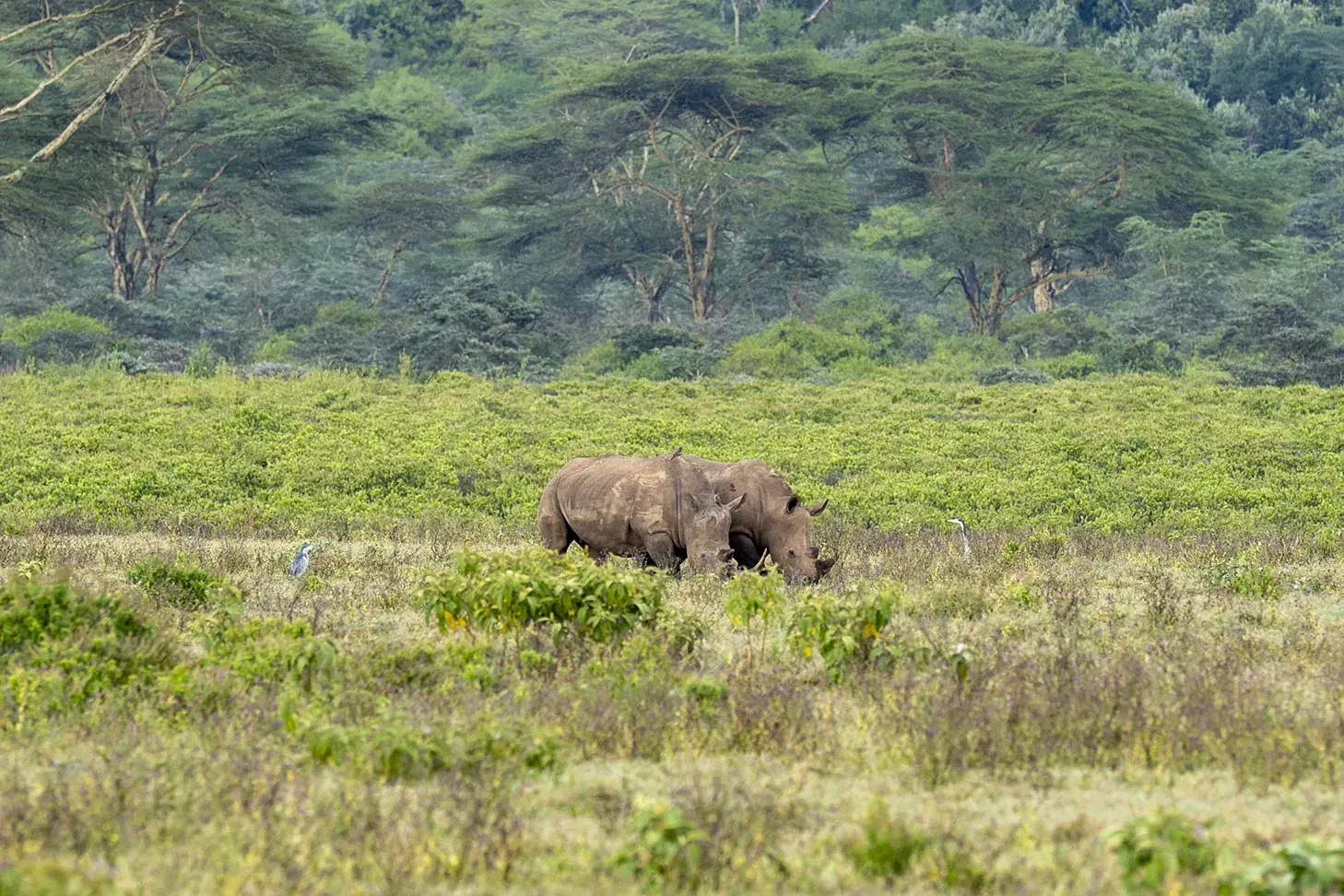
An alkaline lake ringed by cliffs and acacia woodland, protected as a rhino sanctuary. Also a remarkable spot for birdwatching.
Fresh water with hippo and an enormous diversity of birds. Because Hell's Gate has no large predators, you are allowed to cross the park by bicycle or on foot, between gorges and volcanic formations.
A private conservancy in the Mount Kenya region, with a rhino sanctuary and a centre for rescued chimpanzees. A model of conservation run with the neighbouring communities.
The arid north, along the Ewaso Ng'iro river. Home to drought-adapted species you will not see in the southern savannah: reticulated giraffe, Grevy's zebra, beisa oryx and gerenuk.
Famous for its large elephant herds and for the outline of Kilimanjaro behind them, on the Tanzanian side of the border.
Kenya works all year round. The season changes the landscape, how easily you find wildlife and the kind of trip you get.
June to October
The long dry season and the best window for wildlife: the grass drops and the animals concentrate around water. It coincides with the arrival of the great migration in the Masai Mara.
January to March
The short dry season, with clear, hot days. Excellent visibility and fewer visitors than at the peak of the migration.
April, May and November
The rains. The landscape turns green, calves are born and migratory birds arrive; in exchange, some roads get difficult and the wildlife disperses.
Nothing is guaranteed in the wild, but these are the encounters that define the destination.
The Masai Mara is one of the best places on earth to watch lion, and cheetah and leopard as well, in territories the guides know intimately.
Close to two million wildebeest and zebra move between the Serengeti and the Mara every year. Between July and October you can witness the Mara River crossings.
Lion, leopard, elephant, buffalo and rhino. Kenya is one of the few destinations where all five are possible on a single itinerary.
Samburu holds species found nowhere further south: reticulated giraffe, Grevy's zebra, beisa oryx, gerenuk and Somali ostrich.
Wildlife and landscapes typical of this destination.
What travellers ask most before choosing this destination.
The dry months are the easiest for watching wildlife: July to October and, in a shorter window, January and February. July to October is also when the great migration crosses the Masai Mara. The long rains fall between March and May, and the short rains around November.
Seven days and six nights is the measure we use, because it takes in three or four different parks without turning the trip into one transfer after another. With less you can see one park properly; with more you can add the coast or reach Samburu in the north without rushing.
Swahili and English are the official languages, and English is used as a matter of course in lodges, parks and airports. Our guides work in English, while the advice beforehand, the documents and the itinerary are all provided in Spanish.
Yes. The Masai Mara holds lion, leopard, elephant and buffalo as a matter of routine, and rhino is easier to find at Lake Nakuru and Ol Pejeta, which both run dedicated sanctuaries. That is why our itineraries combine several parks instead of staying in one.
The routes we run today, with the itinerary published day by day.
Package
Naivasha, Nakuru and Samburu
An African safari built to show you Kenya through its landmark parks, its shifting landscapes and a rhythm that balances exploration, rest and wildlife.
Package
Naivasha, Nakuru and the Masai Mara
An African safari built around the savannah and the Masai Mara, for travellers after the classic safari experience and the densest wildlife in the country.
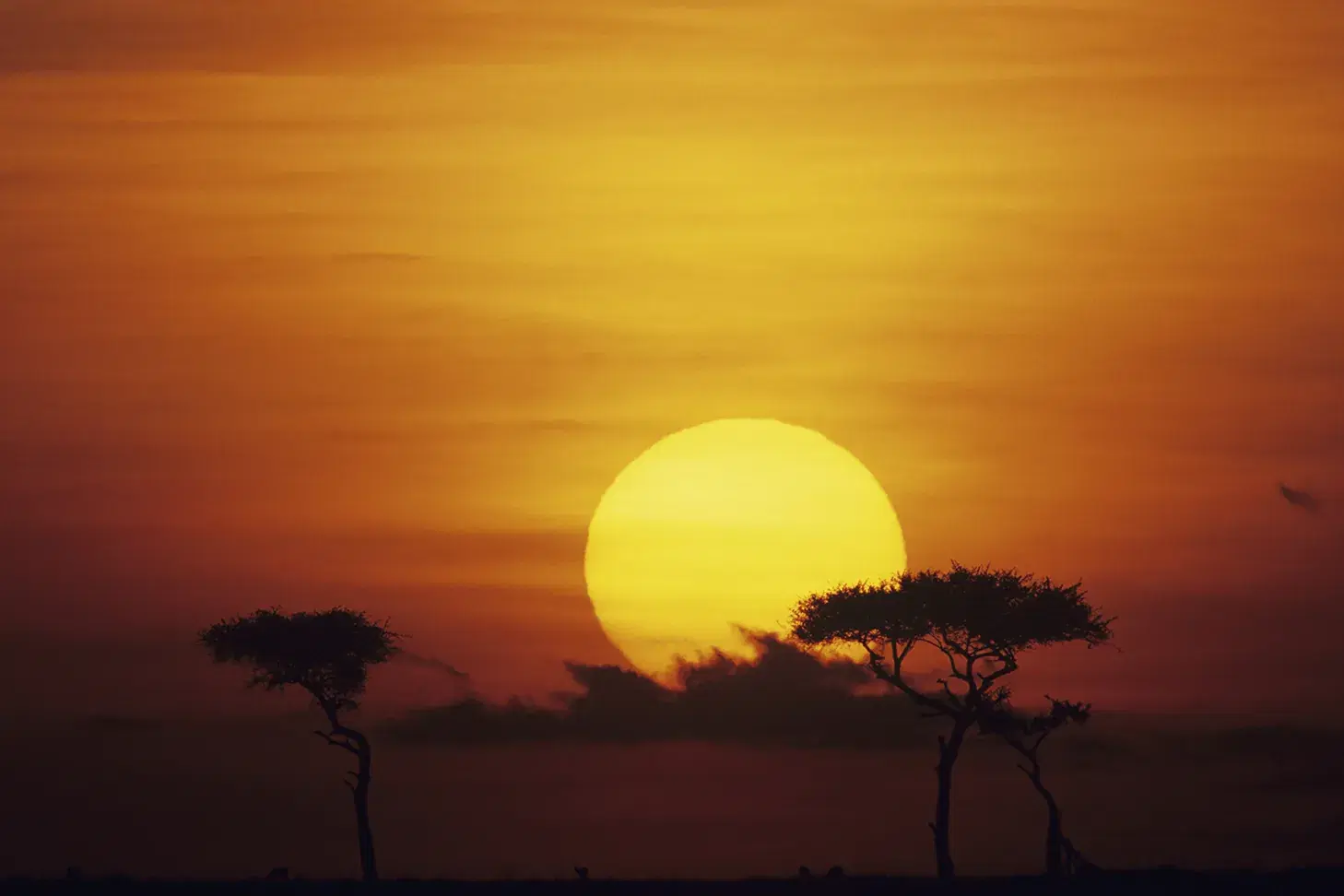
Tell us your dates and what you would like to experience. We build the route with you, explained clearly from start to finish.
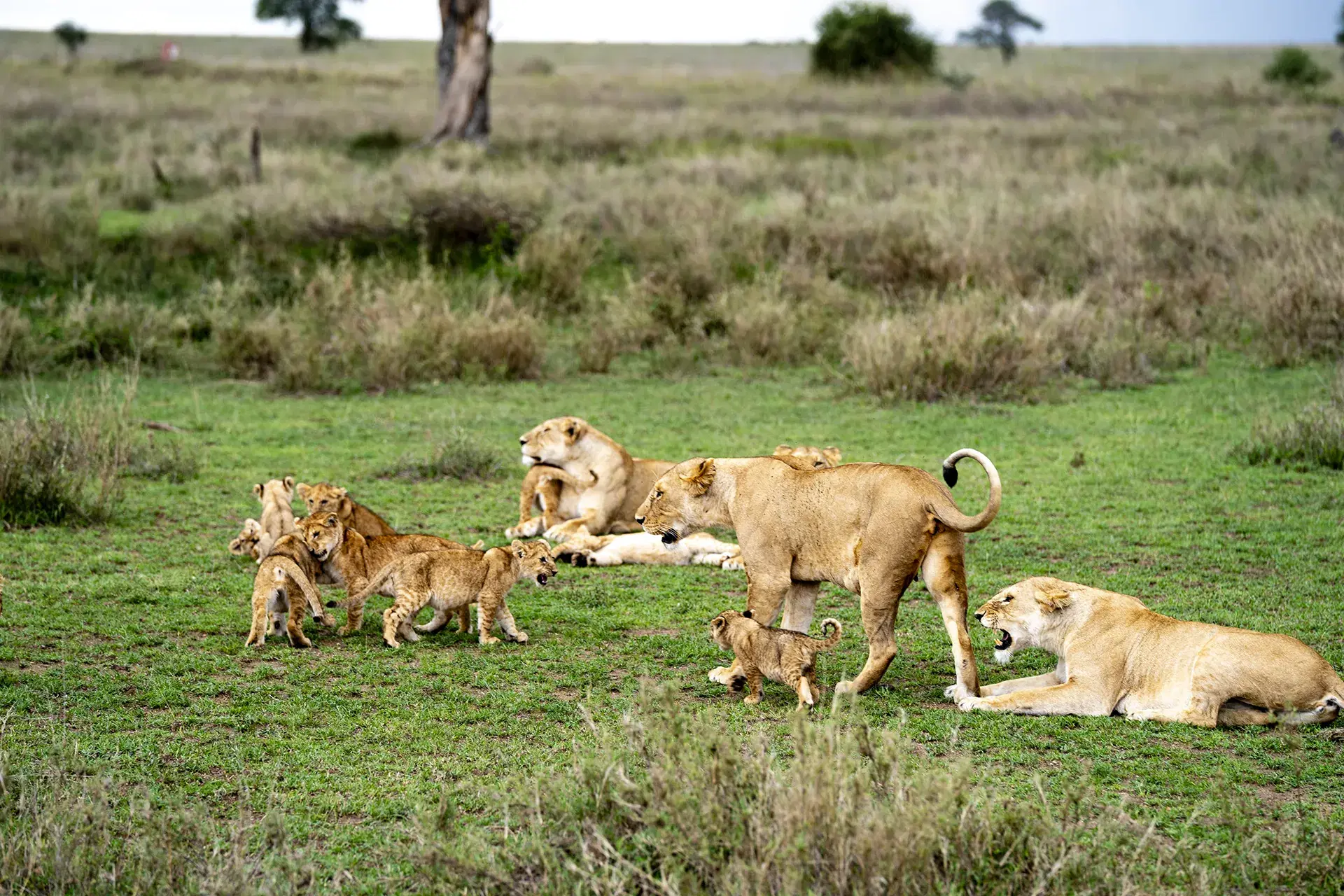
Tanzania
A safari in Tanzania between the Serengeti and the Ngorongoro Crater, with abundant wildlife and scenery without end.
See destination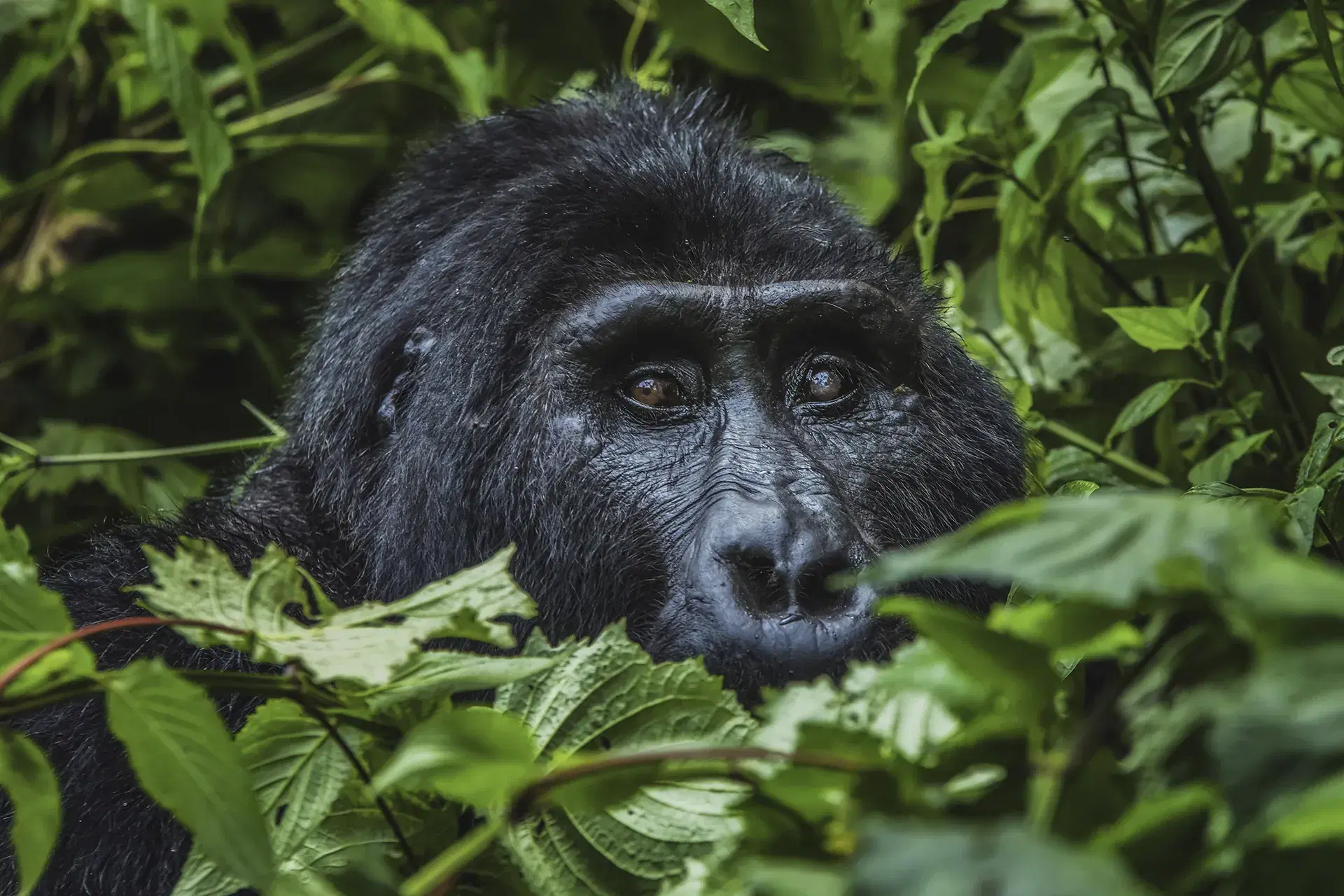
Uganda
A safari in Uganda built around forest, biodiversity and the singular encounter with mountain gorillas.
See destination