Serengeti National Park
The plain that gives the great migration its meaning. Abundant wildlife all year and an expanse large enough to leave every other vehicle behind.
Destination
Scale is the word that describes Tanzania best: plains that never end, an entire crater turned into a reserve, and the migration crossing all of it.
Tanzania gives over an enormous share of its territory to national parks and conservation areas. That decision explains why wildlife here moves with genuine freedom, across ecosystems that remain connected to each other instead of being cut into islands.
The northern circuit — Serengeti, Ngorongoro, Tarangire and Manyara — puts four very different landscapes within a few hours of each other: open plain, volcanic caldera, baobab woodland and riverine forest beside a Rift Valley lake.
It is the destination for travellers after the classic image of Africa taken to its limit, and for anyone who wants to pair the safari with the coast: Zanzibar is a short flight from the end of the route.
If you are deciding on the month, read when to travel and where the migration is each month.
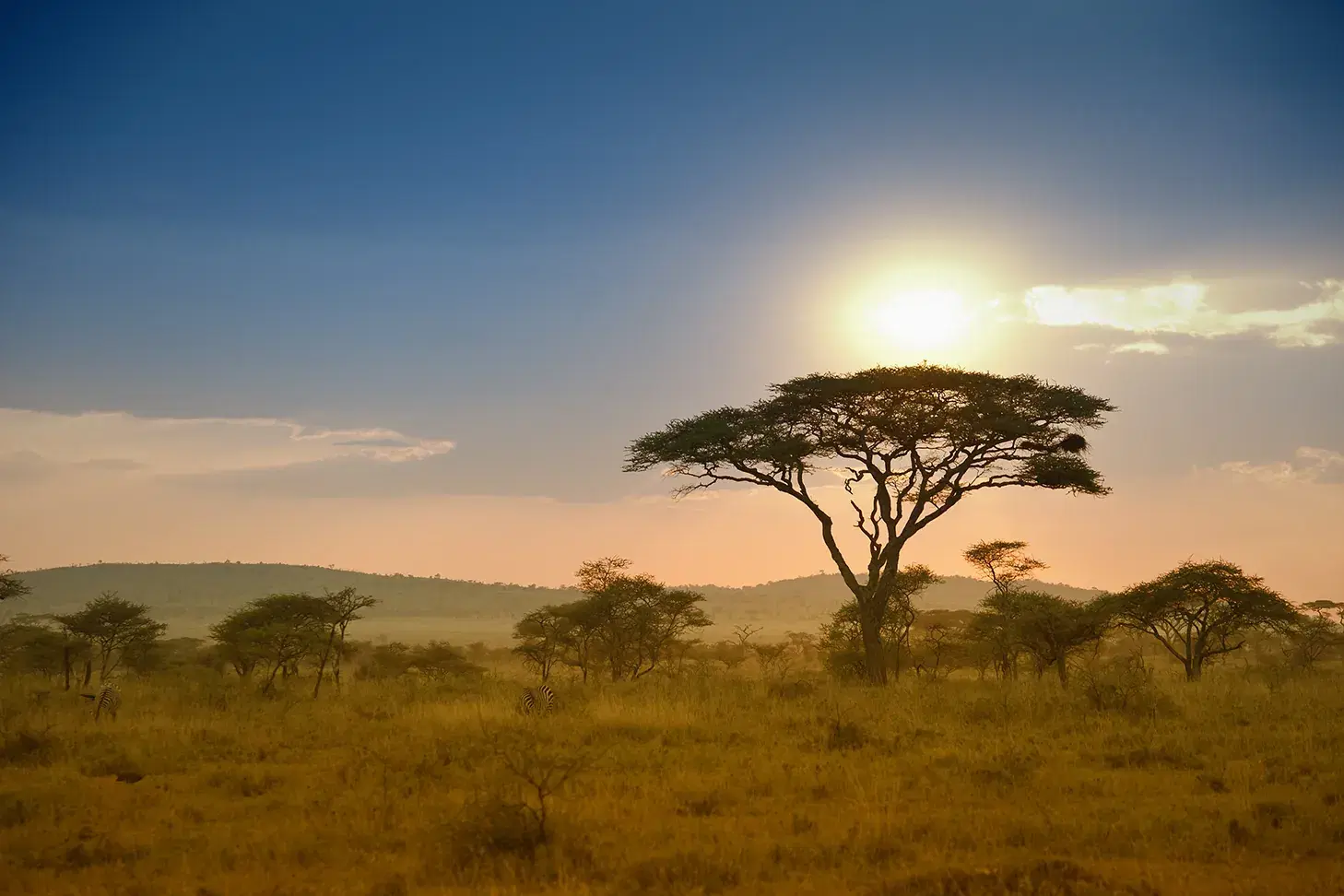
The name comes from the Maa word siringet, 'the endless plain', and the description is literal. The scale of the park changes the rhythm of the trip: here the days are organised around where the wildlife is, not around a fixed circuit.
The northern circuit holds the essentials; the south and the west are for those who come back.
The plain that gives the great migration its meaning. Abundant wildlife all year and an expanse large enough to leave every other vehicle behind.
An intact volcanic caldera that works as an enclosed nature reserve. A high density of wildlife in a contained space, black rhino included.
Large elephant herds among centuries-old baobabs, above all in the dry season, when the wildlife gathers along the Tarangire river.
Riverine forest and an alkaline lake at the foot of the Rift escarpment. Primates, water birds and the well-known tree-climbing lions.
The calving grounds of the migration between January and March. Thousands of calves are born in a few weeks, and with them comes the busiest predator season of the year.
Not a safari, but it closes the trip. White sand beaches and Stone Town, a short flight from Arusha or the Serengeti.
The migration moves all year: your dates decide where along the circuit you meet it.
January to March
Calving season in Ndutu and the southern Serengeti. Vast numbers of newborns and constant predator activity.
June to October
A pronounced dry season and the best general wildlife viewing. The Grumeti river crossings usually fall between June and July, with the push north coming later.
April, May and November
The rains. Green landscape, far fewer vehicles and better conditions for photography, with harder roads as the trade-off.
The northern circuit holds the greatest concentration of large mammals on the continent.
The annual movement of wildebeest, zebra and gazelle across the Serengeti-Mara ecosystem. In Tanzania you can follow it through most of the cycle.
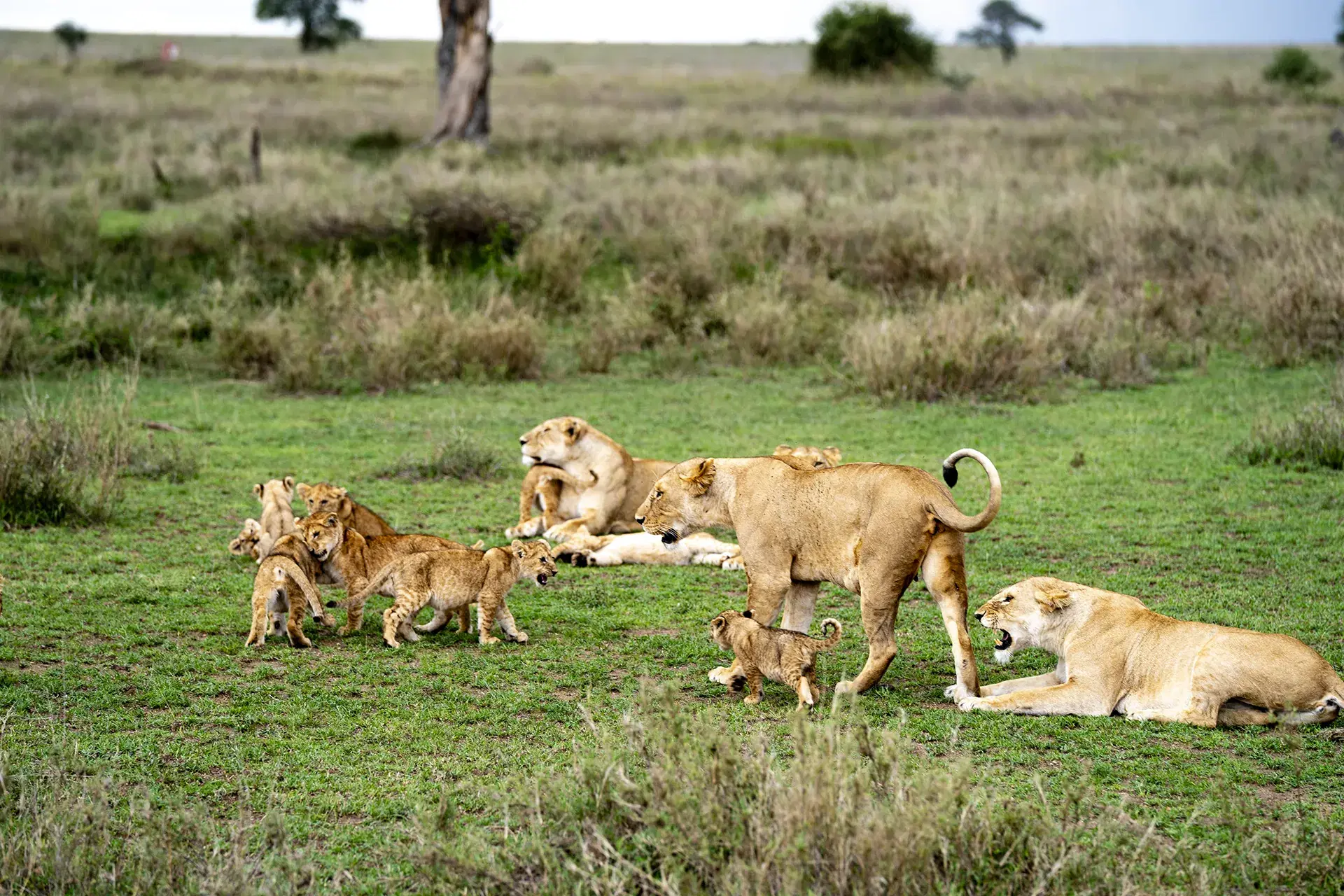
Lion, leopard, cheetah and hyena. The Serengeti supports one of the most significant lion populations in Africa.
The Ngorongoro Crater is one of the likeliest places to see one, thanks to the protected population inside the caldera.
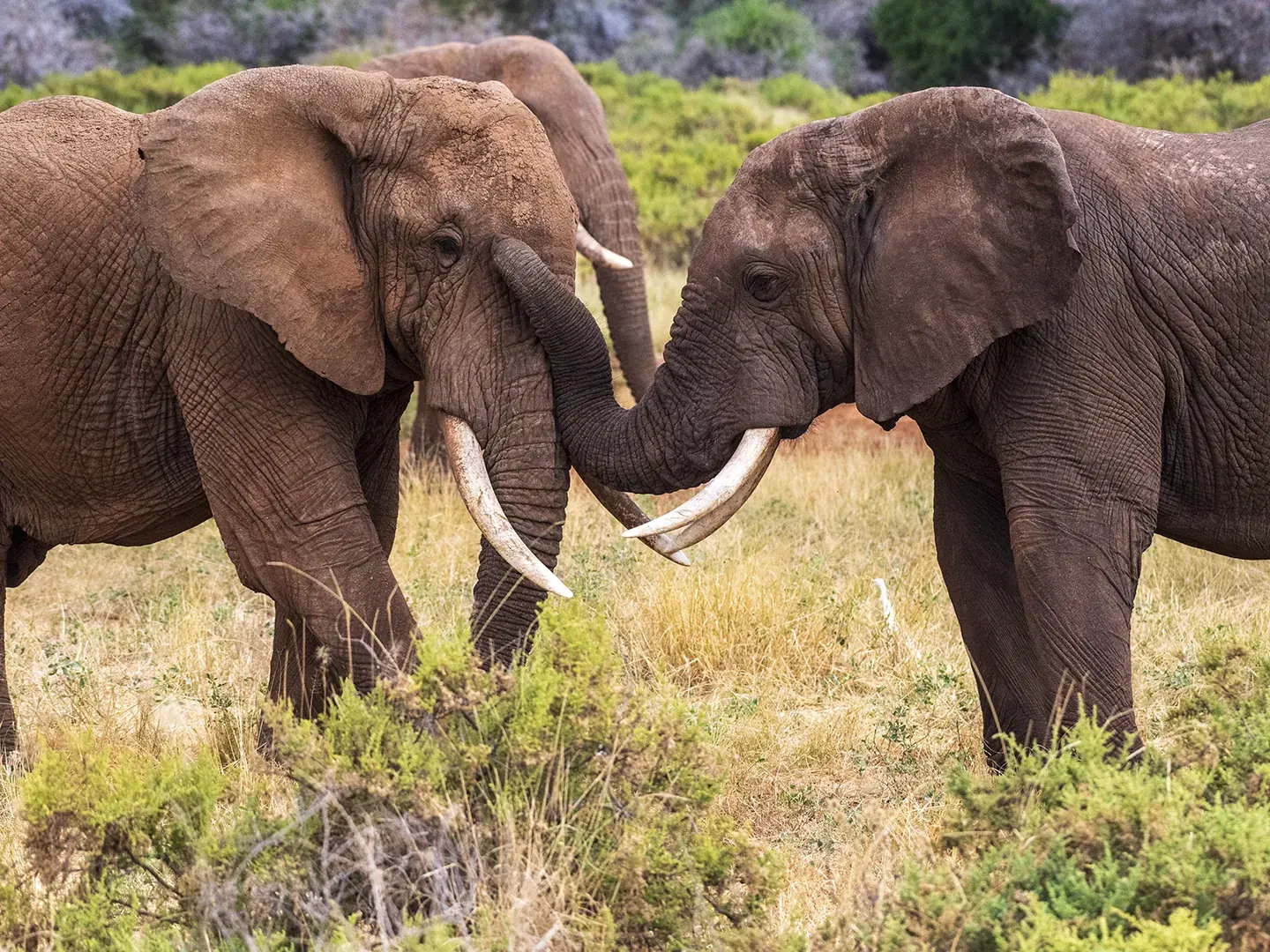
Large herds gathering by the river in the dry season, in a baobab landscape that looks like nowhere else on the circuit.
Wildlife and landscapes typical of this destination.
What travellers ask most before choosing this destination.
From June to October, at the height of the dry season, wildlife gathers around water and sightings are far more consistent. Between January and March the southern Serengeti sees the wildebeest calving season, the busiest time of year for predators.
They are one ecosystem split by a border: the Serengeti is the Tanzanian half and the Masai Mara the Kenyan one. The Serengeti is far larger and allows several days of driving without covering the same ground twice; the Mara is more compact and concentrates encounters in a smaller area.
The Ngorongoro Crater is a volcanic caldera with a floor of some 260 square kilometres, where the wildlife lives all year round without migrating. It is one of the few places on the continent where the full Big Five can be seen in a single day, which is why it usually makes the itinerary.
We set the dates together, based on where you want to meet the migration and how much time you have.
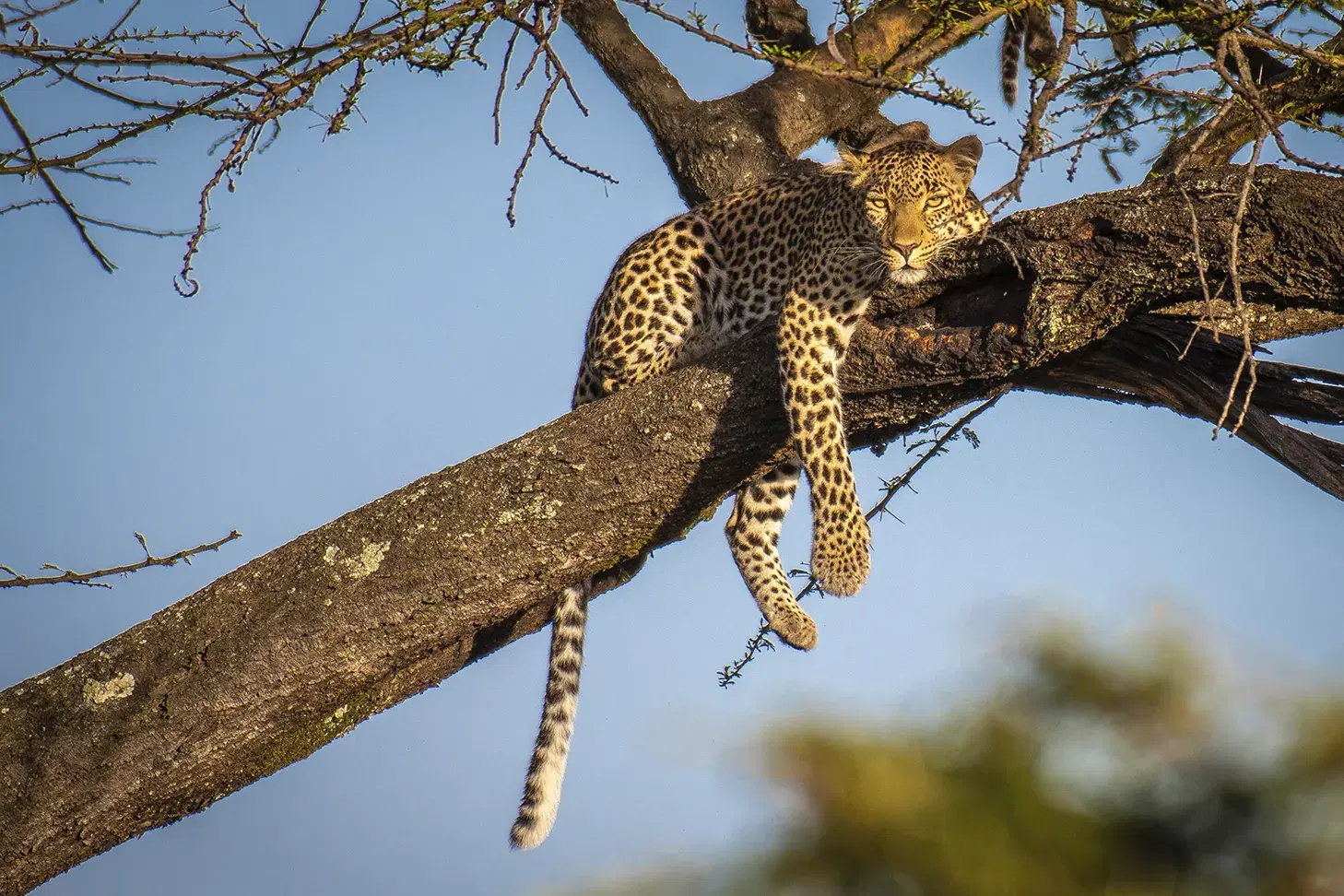
Kenya
A safari in Kenya, with the great migration, landmark big cats and the open landscapes that define Africa.
See destination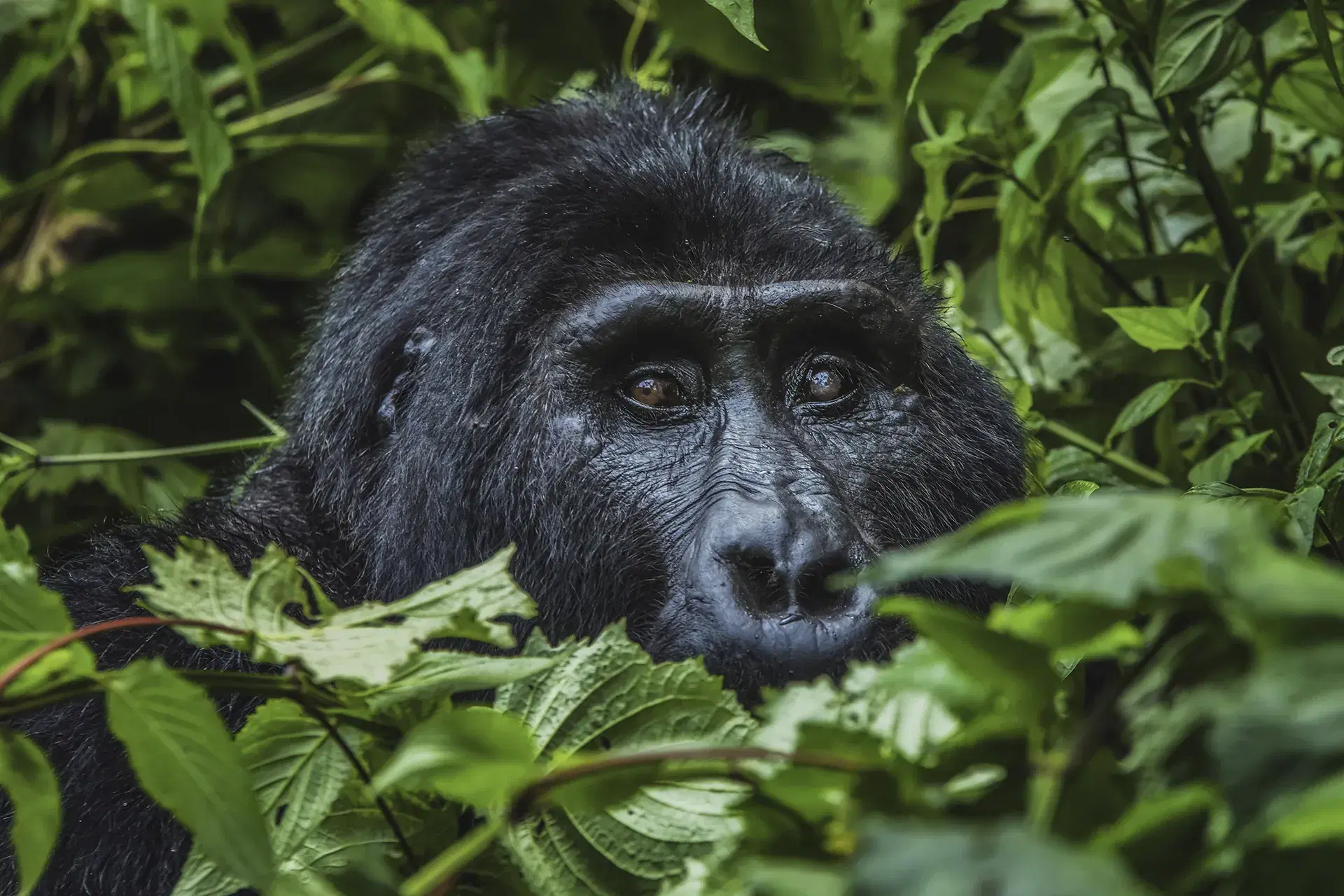
Uganda
A safari in Uganda built around forest, biodiversity and the singular encounter with mountain gorillas.
See destination