01
Guided exploration
Safaris are run in purpose-built vehicles, alongside guides who know the wildlife and the terrain.
Karibu — welcome, in Swahili
From Chile we design landmark safaris in Africa, combining comfort, safety and genuine experiences made to measure.
Who we are
At Karibu Safari Africa we treat every safari as a carefully designed experience. We combine deep knowledge of the destination, high standards and precise planning to deliver trips that are genuine, safe and worthy of demanding travellers.
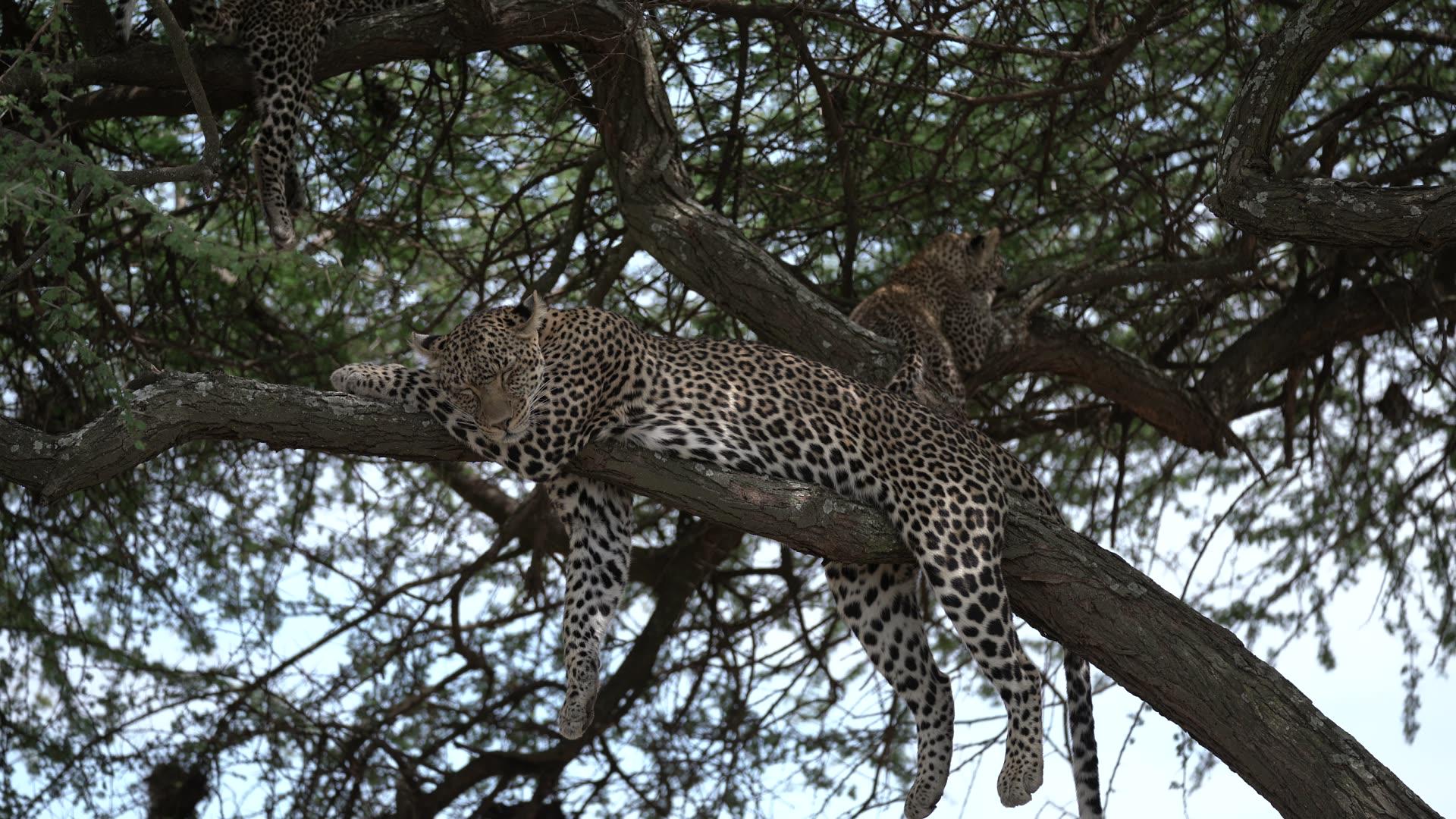
An African safari combines guided exploration and wild country, on routes planned to find wildlife in its own habitat.
01
Safaris are run in purpose-built vehicles, alongside guides who know the wildlife and the terrain.
02
Game drives follow the hours of greatest animal activity, above all at first light and at dusk.
03
Every safari balances wildlife viewing, rest, good food and singular moments in remote, safe places.
If you are just starting to plan, begin with the best time of year to travel and with how to reach Africa from Chile: those are the two decisions that shape everything else.
Africa offers settings you find nowhere else. We choose the destinations where wildlife, landscape and experience come together at their strongest.
Kenya
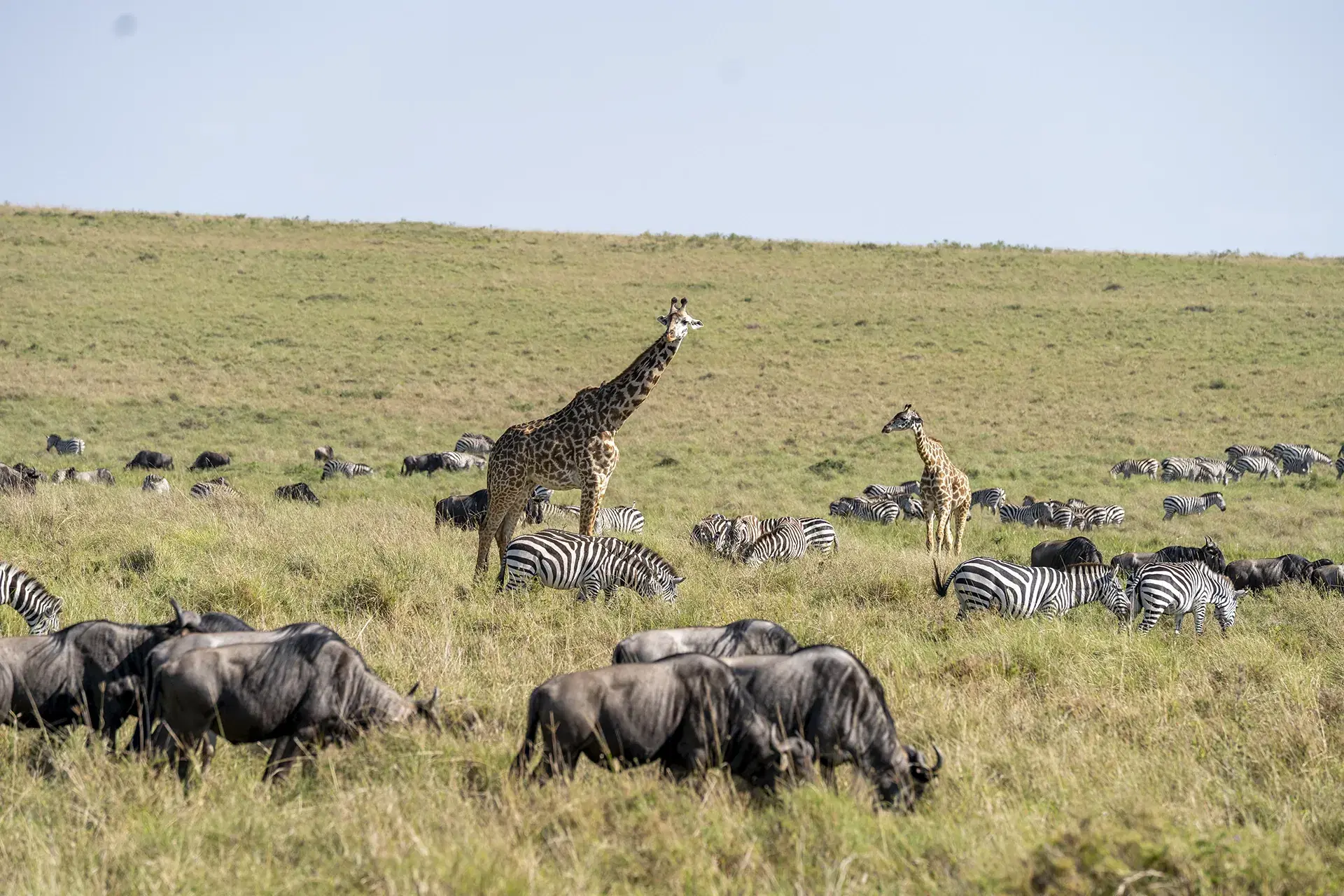
A safari in Kenya, with the great migration, landmark big cats and the open landscapes that define Africa.
See destination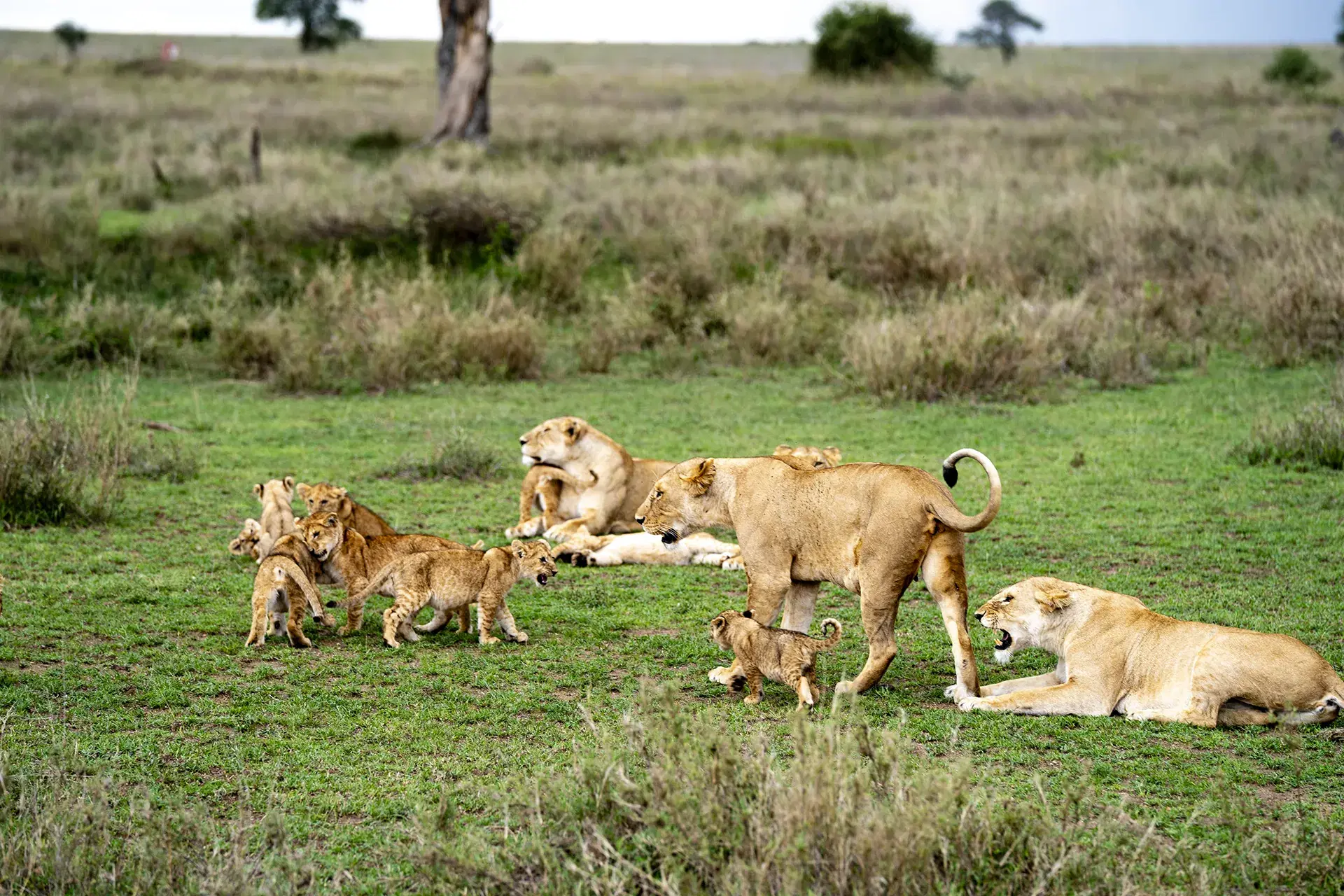
Tanzania
A safari in Tanzania between the Serengeti and the Ngorongoro Crater, with abundant wildlife and scenery without end.
See destination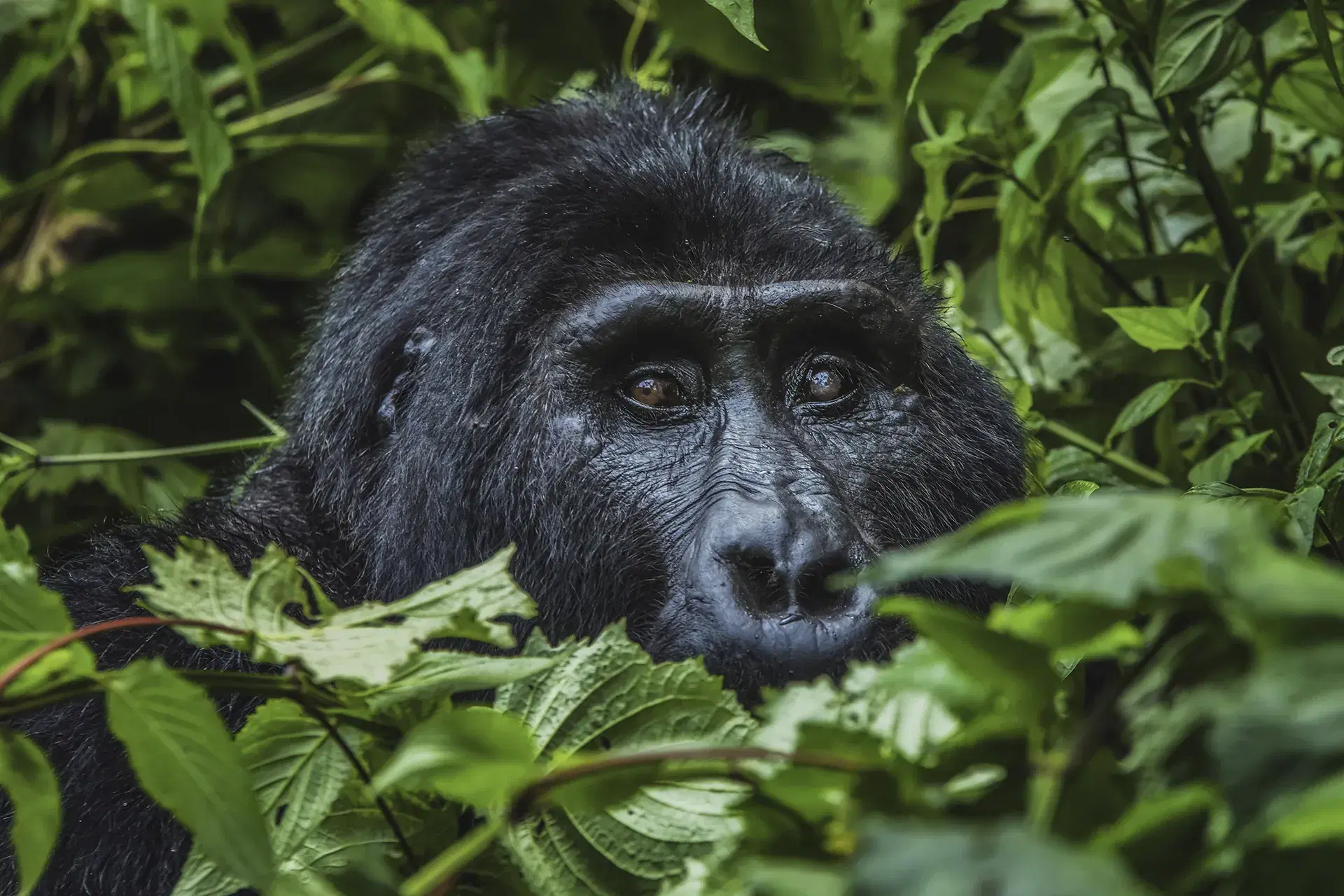
Uganda
A safari in Uganda built around forest, biodiversity and the singular encounter with mountain gorillas.
See destination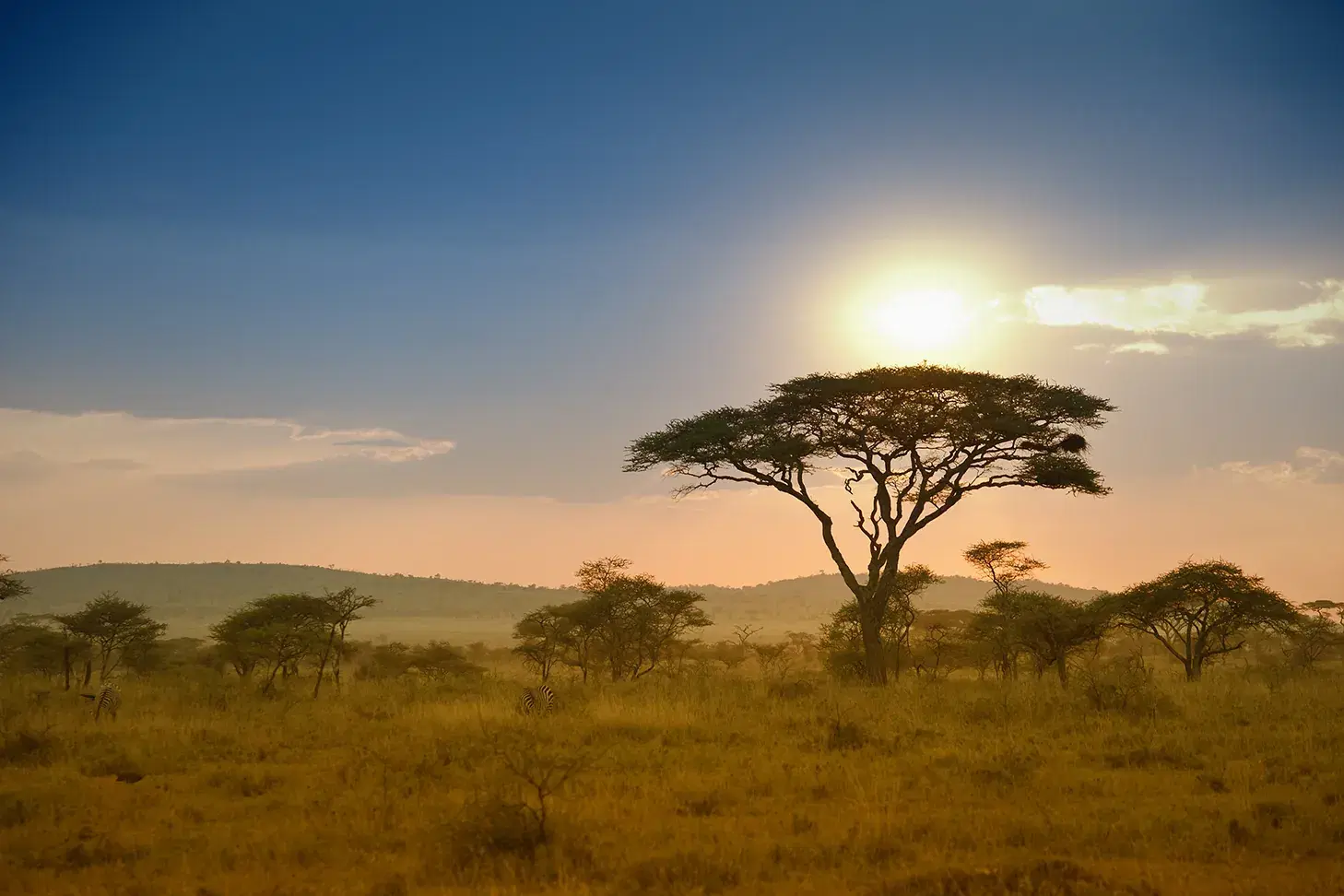
An African safari for travellers who want to take the wild slowly, watch without hurry and let each encounter happen on its own terms. We design trips that adapt to your pace, your interests and the way you want to be there.
Our safari packages combine landmark destinations, expert planning and genuine experiences, shaped around the way you travel and the pace you are after.
Package
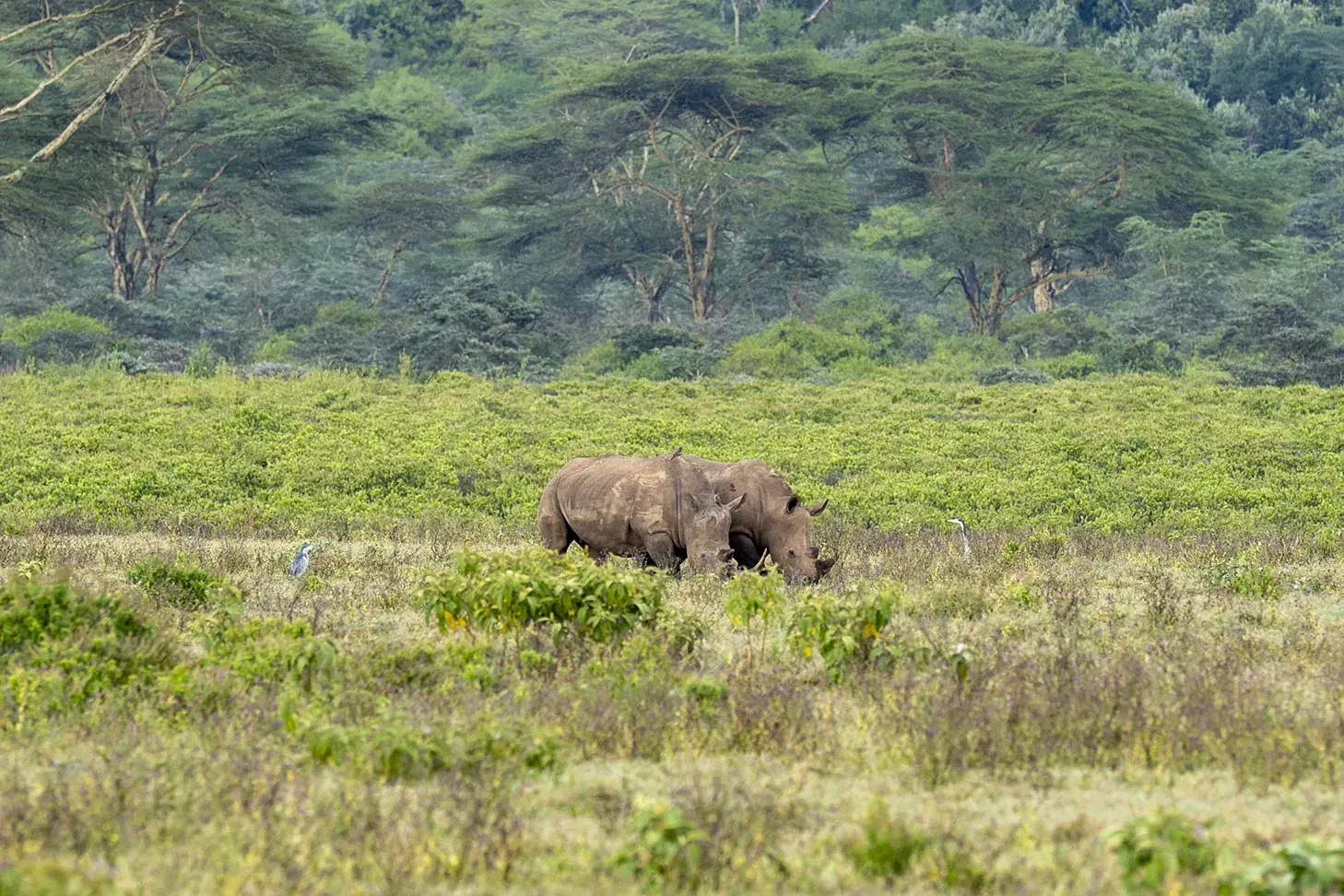
Naivasha, Nakuru and Samburu
An African safari built to show you Kenya through its landmark parks, its shifting landscapes and a rhythm that balances exploration, rest and wildlife.
Package
Naivasha, Nakuru and the Masai Mara
An African safari built around the savannah and the Masai Mara, for travellers after the classic safari experience and the densest wildlife in the country.
Four steps, with no endless forms and no pressure to close. Getting in touch commits you to nothing: the proposal is adjusted with you before you decide.
01
Rough dates, how many are travelling and what you would like to see. That is enough to start: the exact itinerary comes later, not first.
02
We set up calls before the trip to clear up doubts and decide with the full picture: accommodation category, pace of the route and what to expect from each park on those dates.
03
The day-by-day itinerary, with the actual lodges and the price per person. Reviewed with you, with nothing buried in the fine print.
04
We change whatever needs changing until it fits. Payment can be made in interest-free instalments, and we are with you before, during and after the trip.
Free and with no commitment.
Wildlife and landscapes from the parks and reserves our itineraries cover.
We understand what travellers coming from this far away need. That is why the safari we offer is clear, flexible and supported at every stage of the trip.
You can pay for your African safari in interest-free instalments, which makes planning the trip far easier.
We design your safari around your interests, your pace of travel and what you actually want out of the trip.
We set up meetings before departure so you can clear up doubts and decide with the full picture in front of you.
You go over every detail of your African safari with us, in plain language and with nothing buried in the fine print.
We write the guides we wish we had found when we planned our own first safari: no padding, with the dates and the facts that genuinely change a trip.
In East Africa the best months for watching wildlife are July to October and, in a shorter window, January and February: these are the dry seasons, when animals gather around water and the short grass lets you see. From Chile, those windows fall in the winter and summer school holidays respectively.
The great migration is the continuous movement of around a million and a half wildebeest, joined by some two hundred thousand zebra, on an annual circuit between the Tanzanian Serengeti and the Kenyan Masai Mara. It has no fixed date: it follows the rain and the grass. The Mara River crossings, its best-known moment, happen on the Kenyan side between July and October.
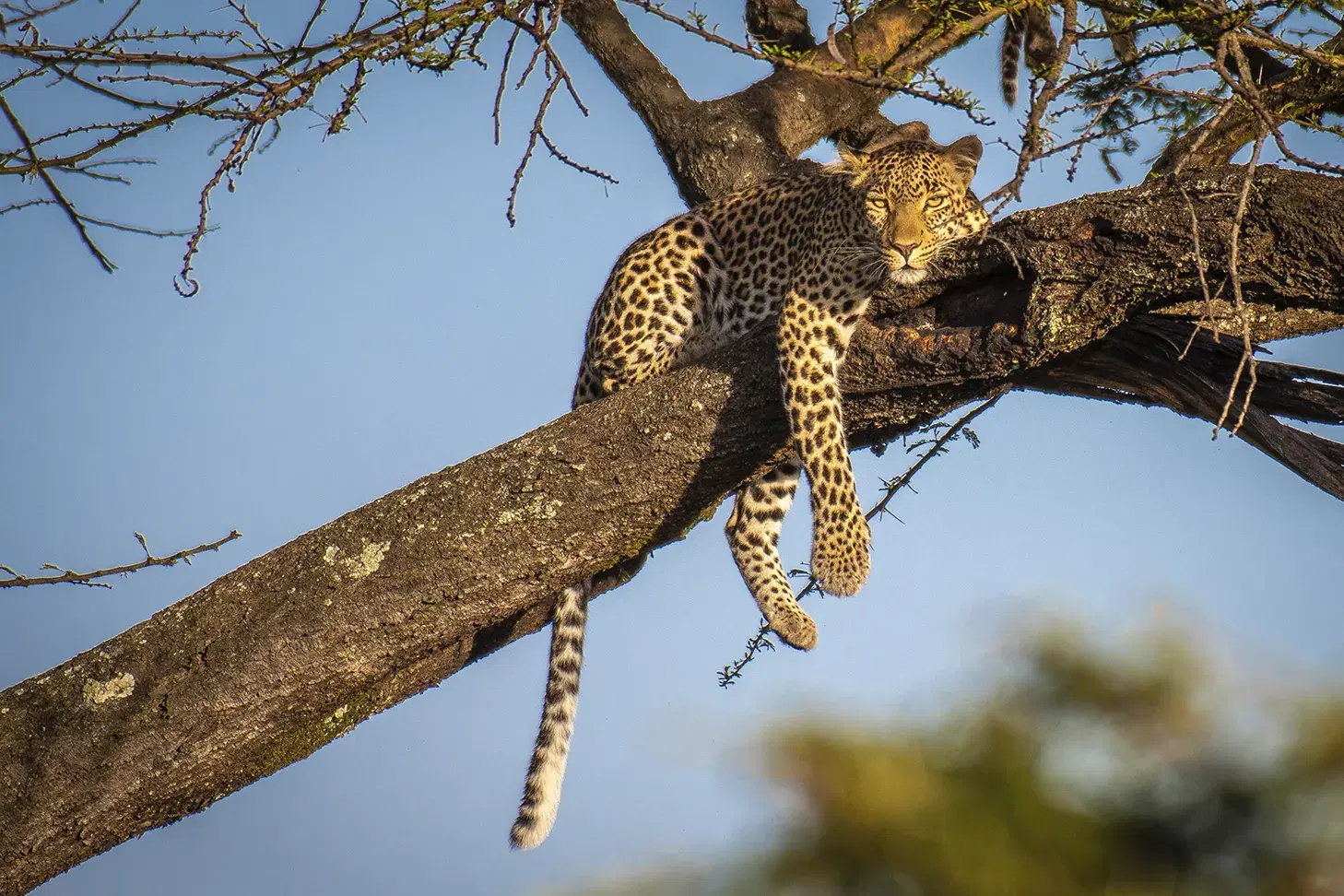
The Big Five are the lion, the leopard, the elephant, the rhino and the Cape buffalo. The name was not coined by naturalists but by big-game hunters in the early twentieth century: these were the five most dangerous species to hunt on foot. Today the term survives as a sighting reference, and all five can be seen on a single trip by combining parks.
Africa is a continent of contrasts, endless landscapes and biodiversity found nowhere else. Understanding its rhythm, its wildlife and its cultures is what turns a safari into something deep, safe and memorable.
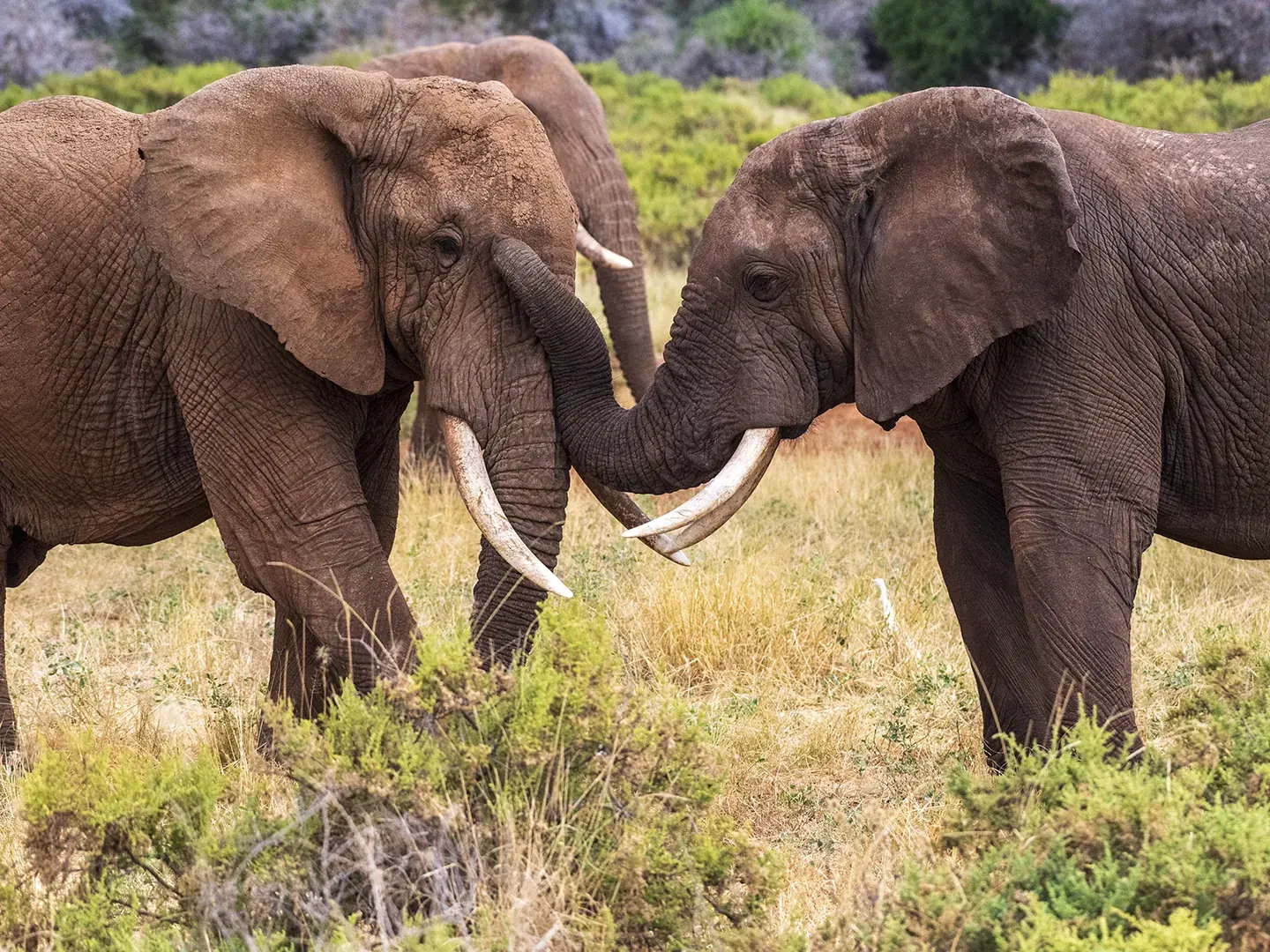
A safari in Africa lets you watch the continent's great mammals in the wild: lion, elephant, giraffe, rhino and an enormous diversity of species sharing protected ecosystems.
From open grassland to lakes, forests and nature reserves, Africa offers settings that have almost nothing in common. Every safari is a different trip depending on the terrain and the region.
Climate shapes the safari experience directly. Dry seasons make wildlife easier to find, while the green seasons transform both the landscape and the way animals behave.
Africa is home to cultures that have lived alongside this wildlife for centuries. A safari is also a chance to understand local traditions and their relationship with the land.
Travelling to Africa takes planning. Paperwork, health, luggage and timing all matter if you want to enjoy the safari without worrying about the logistics.
The questions we are asked most often before people book. If yours is not here, write to us and we will answer for your specific case.
Our published programmes run for seven days and six nights in Kenya. On top of that comes the journey itself: there is no direct flight from Santiago, so the outbound and return legs take up close to two full days between connections. A comfortable trip from Chile rarely comes in under ten days door to door.
The two windows that fit the Chilean calendar best are January to February and July. January and February fall within a short dry season in East Africa and coincide with the southern summer holidays. July opens the great wildebeest migration in the Masai Mara and coincides with the Chilean winter break.
No. A safari is covered by vehicle with a guide at the wheel, you sleep in serviced lodges or camps, and the distances are driven in planned stages. It asks for no particular level of fitness and no previous travel to the continent.
Yes. We work with interest-free instalments so that planning the trip does not hang on a single payment.
The further ahead the better, and not for the price but for the space: lodges and camps inside the reserves have very few rooms, and high season — July to October in the Masai Mara — fills up many months in advance. Booking early also leaves room to secure better flight connections.
With us, directly. We arrange meetings before departure to answer questions and go through the itinerary, and every piece of information, including the programme documents, is provided in Spanish.
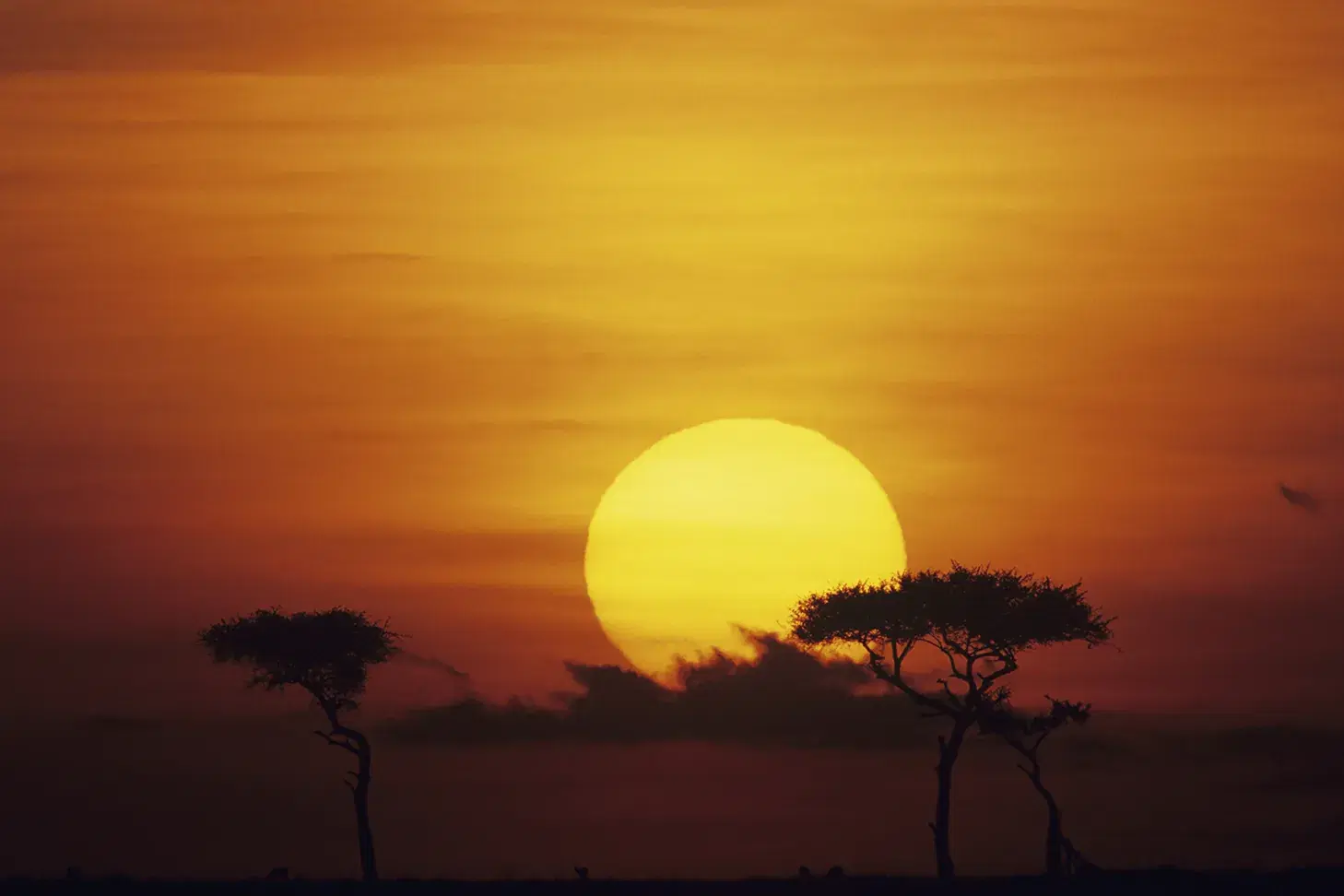
An African safari is time, space and presence. We design trips meant to be taken slowly, with flexible routes and decisions made with you, not for you.