Wildlife
A safari in Africa lets you watch the continent's great mammals in the wild: lion, elephant, giraffe, rhino and an enormous diversity of species sharing protected ecosystems.
All about Africa
An African safari takes you through remote country to watch wildlife living free, on well-planned trips with expert guides and logistics that are properly handled.
An African safari is a guided trip through national parks and nature reserves, built around watching wild animals in their own habitat. It is done in purpose-built 4×4 vehicles, with professional guides, on routes and timings that respect the animals' behaviour and the environment.
The word comes from Swahili and means, quite simply, journey. Every safari is different: it changes with the country, the time of year and the kind of experience you are after, from open savannah to remoter, quieter reserves.
The three decisions that shape a safari most are the month, the country and the accommodation category. We go into each of them in our guides.
Understanding its rhythm, its wildlife and its cultures is what turns a safari into something deep, safe and memorable.
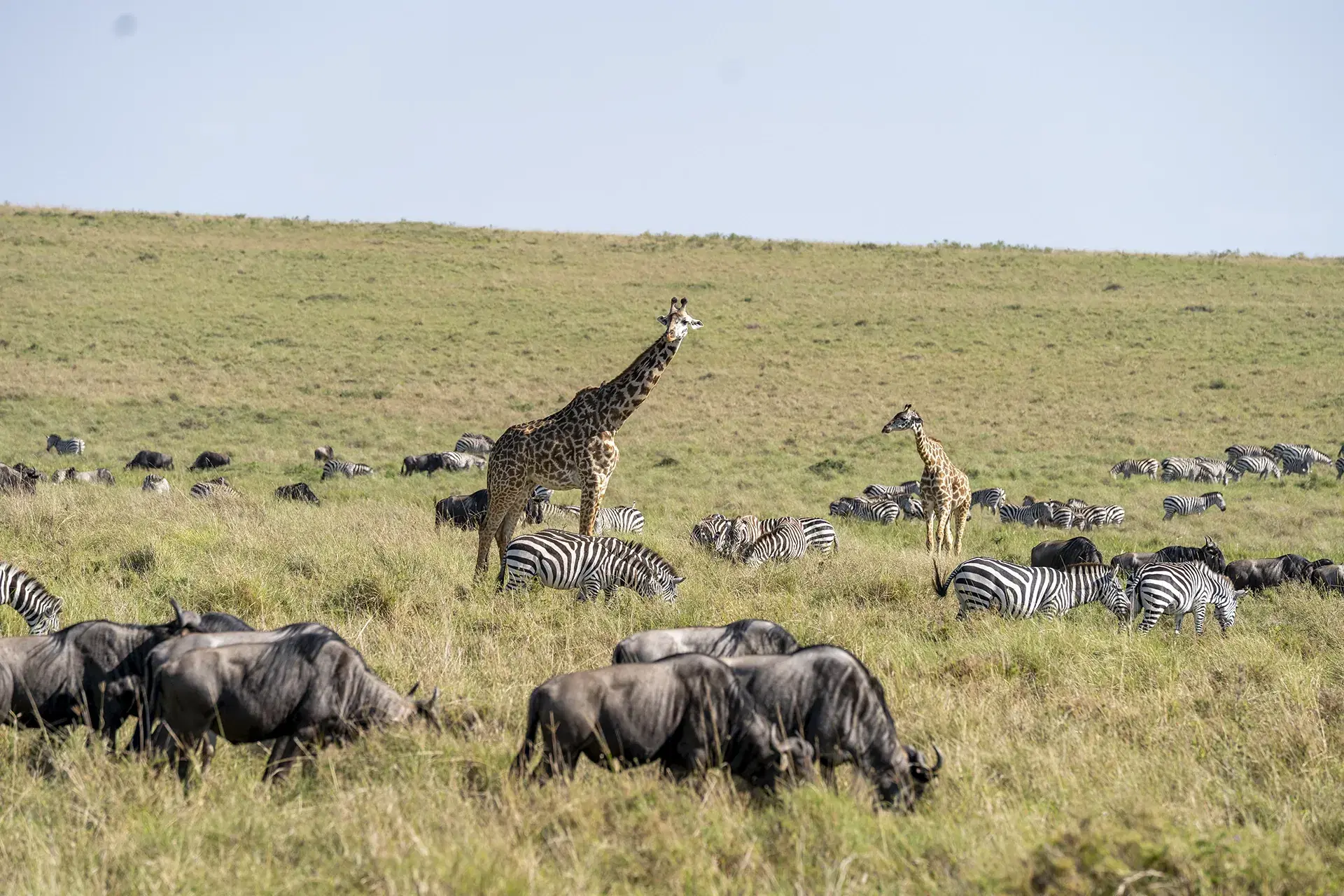
A safari in Africa lets you watch the continent's great mammals in the wild: lion, elephant, giraffe, rhino and an enormous diversity of species sharing protected ecosystems.
From open grassland to lakes, forests and nature reserves, Africa offers settings that have almost nothing in common. Every safari is a different trip depending on the terrain and the region.
Climate shapes the safari experience directly. Dry seasons make wildlife easier to find, while the green seasons transform both the landscape and the way animals behave.
Africa is home to cultures that have lived alongside this wildlife for centuries. A safari is also a chance to understand local traditions and their relationship with the land.
Travelling to Africa takes planning. Paperwork, health, luggage and timing all matter if you want to enjoy the safari without worrying about the logistics.
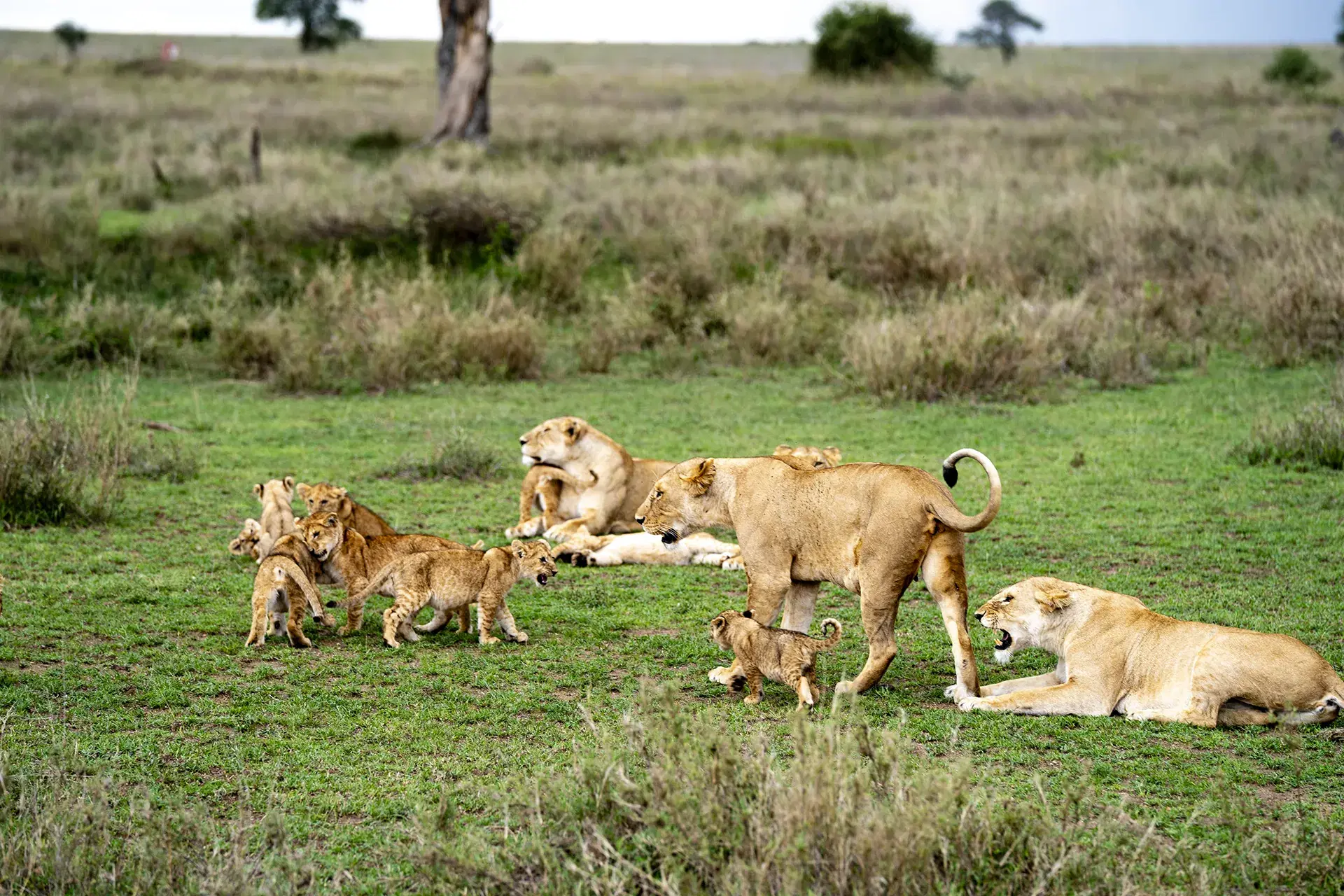
The species you find in the parks and reserves on our itineraries.
Before travelling, check your passport, its remaining validity and the visa requirements of the safari country you have chosen.
Check which vaccines are required or recommended and take out travel insurance suited to an African safari.
Factor in transfer times, rest and the length of the itinerary so the safari never feels rushed.
The detail behind each decision, step by step.
In East Africa the best months for watching wildlife are July to October and, in a shorter window, January and February: these are the dry seasons, when animals gather around water and the short grass lets you see. From Chile, those windows fall in the winter and summer school holidays respectively.
The great migration is the continuous movement of around a million and a half wildebeest, joined by some two hundred thousand zebra, on an annual circuit between the Tanzanian Serengeti and the Kenyan Masai Mara. It has no fixed date: it follows the rain and the grass. The Mara River crossings, its best-known moment, happen on the Kenyan side between July and October.
The Big Five are the lion, the leopard, the elephant, the rhino and the Cape buffalo. The name was not coined by naturalists but by big-game hunters in the early twentieth century: these were the five most dangerous species to hunt on foot. Today the term survives as a sighting reference, and all five can be seen on a single trip by combining parks.
There is no direct flight between Santiago and East Africa. The usual routes connect in Europe, in the Persian Gulf or in Addis Ababa, with one or two stopovers, and the full journey takes between twenty-four and thirty hours door to door in each direction. The time difference with Kenya, Tanzania and Uganda is six or seven hours depending on the date.
Earth-toned clothing worn in layers, your own binoculars, sun protection, insect repellent, a British type G plug adaptor and a soft bag if the itinerary includes light aircraft. Avoid blue and black, which attract the tsetse fly, and camouflage, which in several African countries is restricted to military use.
Five things set the price of a safari: the category of accommodation, the season, how many people are travelling, how many parks the itinerary covers and whether transfers are by road or by light aircraft. Of all of them, accommodation weighs most: two itineraries that look identical on paper can differ several times over in price purely because of where you sleep.
Every question on the site gathered in one place: the experience, the logistics, health and what to pack. If yours is missing, write to us.
An African safari is a guided journey through national parks and reserves, built around watching wildlife in its own habitat, with the routes and the timing of each day planned in advance.
Yes. A safari in Africa is safe when it is run by experienced operators, certified guides and vetted accommodation, with clear procedures at every stage of the trip.
Our African safari packages do not include insurance, but we advise you on arranging the travel cover best suited to your itinerary and the length of your trip.
Several routes link Chile with Africa, with one or two stopovers, usually via Europe or the Middle East. We help you choose the best option for your dates and your budget.
Yes. Safaris in Africa are run out of secure lodges and camps with high standards of service, positioned inside the reserves themselves or close to them.
Requirements for an African safari vary from one country to the next. We guide you step by step with current information on visas, vaccinations and the paperwork you will need.
There is no direct flight between Santiago and East Africa. The usual routes connect in Europe, in the Persian Gulf or in Addis Ababa, with one or two stops, and the full journey normally takes between twenty-four and thirty hours door to door in each direction.
Kenya, Tanzania and Uganda all share one time zone, UTC+3. That puts them six hours ahead of mainland Chile during Chilean summer time and seven hours ahead for the rest of the year. The shift is easy to absorb, since a safari starts early by definition.
Kenya, Tanzania and Uganda each have their own shilling, but the US dollar is accepted as a matter of course across the tourist circuit. It is worth carrying some cash in good-condition notes for tips and small purchases, because card signal inside the reserves comes and goes.
No. Kenya, Tanzania and Uganda use the British three-pin plug — type G — at 240 volts, which is not the Chilean fitting. You need an adapter. Lodges usually run a generator on limited hours, so a power bank for your camera and phone is worth packing as well.
Requirements change from country to country, and also depend on where you stop over, and they are updated without notice. That is why we publish no fixed list: we confirm what applies to your dates and your specific route, and we help with the paperwork before you buy your tickets.
East Africa is a malaria risk area, and prophylaxis is decided with your doctor or at a travel medicine clinic, based on your history and your exact itinerary. Alongside that come simple, effective measures: repellent, long sleeves at dusk and a mosquito net wherever the accommodation provides one.
Yes, and it works well when the itinerary is built around a child’s real pace: fewer long transfers, shorter game drives and accommodation that accepts minors, because not every camp inside a reserve does. It is one of the things worth settling before the route is finalised.
Cities and most lodges have wifi, quick enough for messages and not much more. Inside the parks mobile coverage is patchy, and in some areas it simply does not exist. It is worth warning people at home that there will be stretches without contact, and not relying on your phone to navigate.
We design trips that adapt to your pace, your interests and the way you want to be there.