Skip to content
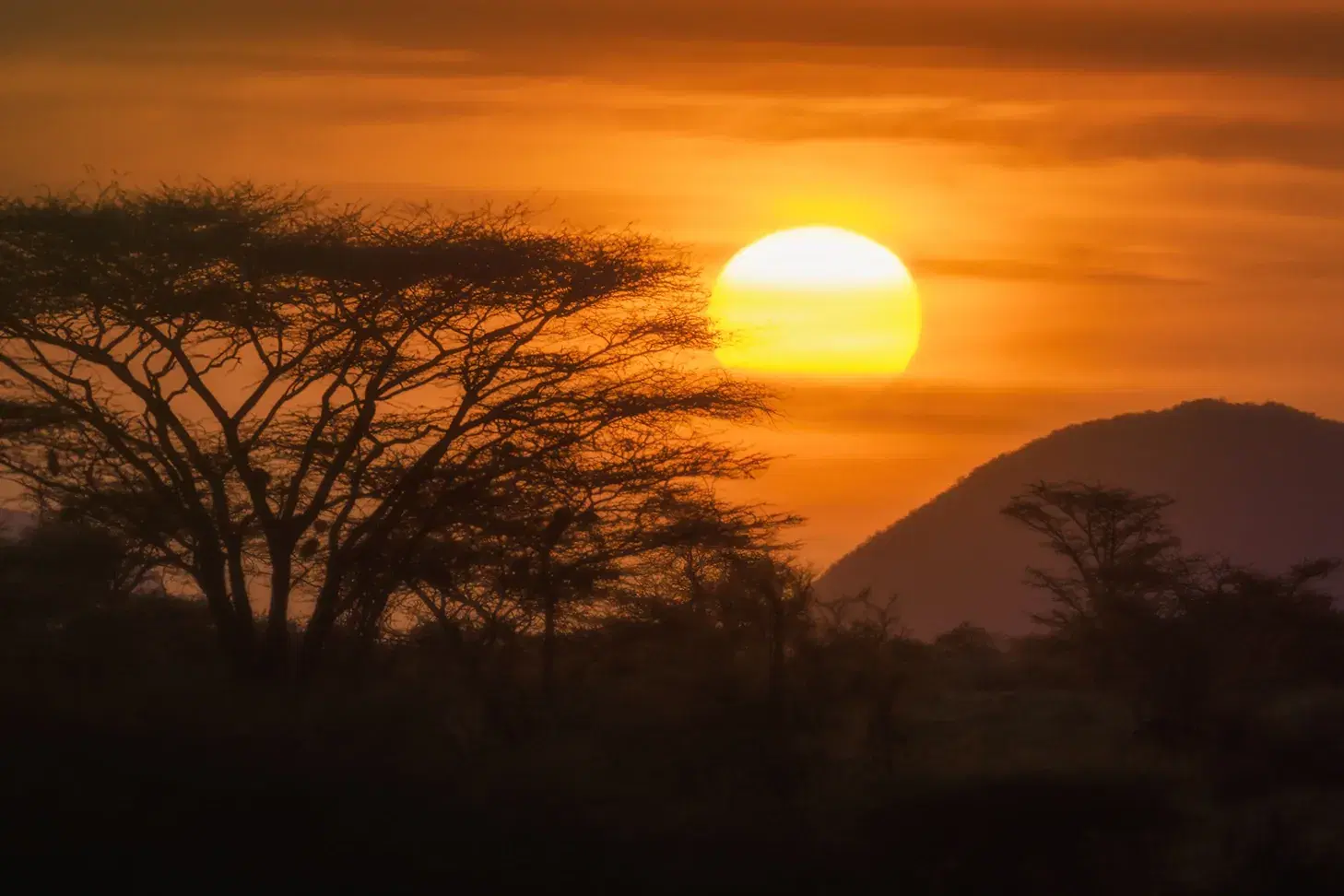
Sunrise between acacias on the African savannah, with hills in the distance

Guide

When to go on safari in Africa: the dry seasons, the rains, the wildebeest migration and how each month lines up with the Chilean holiday calendar.

In East Africa the best months for watching wildlife are July to October and, in a shorter window, January and February: these are the dry seasons, when animals gather around water and the short grass lets you see. From Chile, those windows fall in the winter and summer school holidays respectively.

Kenya, Tanzania and Uganda sit on the equator or very close to it. Temperatures barely move across the year, and what organises the calendar is not cold but water. There are two rainy seasons: the long rains, from March to May, and the short rains, around November. Everything else is dry season.

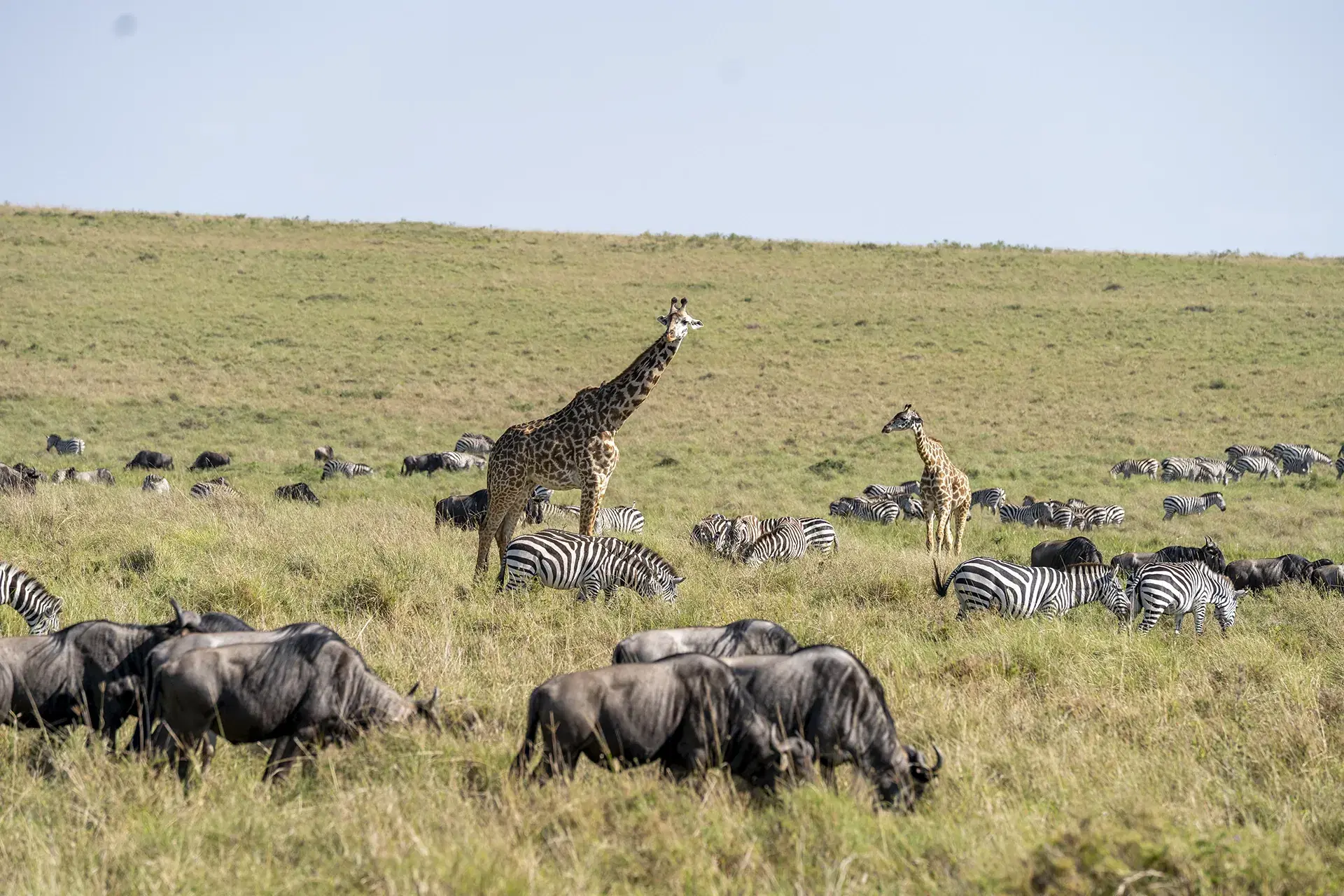
That difference matters for a practical reason. In the dry season the grass shortens, the puddles disappear and the animals are forced towards the rivers and waterholes that remain. Wildlife concentrates, and becomes visible. In the green season the landscape is at its photographic best — everything has grown, the skies are dramatic — but the animals scatter because there is water everywhere, and the tall vegetation hides them.

Neither one is the wrong season. They are different trips, and it is worth choosing while knowing which one you are choosing.

This is the rhythm of the Mara–Serengeti ecosystem, where most safaris in Kenya and northern Tanzania take place. Uganda runs on its own calendar and is dealt with separately.

Kenya and northern Tanzania through the year
MonthsWeatherWhat happens
January – FebruaryShort dry seasonGood visibility. Calving season for the wildebeest in the southern Serengeti, and predator activity at its highest.
March – MayLong rainsGreen landscapes, few travellers. Some tracks become difficult and certain camps close.
JuneThe dry sets inThe grass drops and wildlife regroups. The herds push towards the northern Serengeti.
July – OctoberDryHigh season. The migration enters the Masai Mara and the Mara River crossings take place.
NovemberShort rainsThe wildebeest head back south. Fewer people, more migratory birds.
DecemberDryGood sightings. High demand over the end-of-year holidays.

This is the part almost no safari site resolves, because almost none of them is written from Chile. We are a Chilean agency working out of Santiago, and our holidays do not coincide with those of the northern hemisphere — which works in our favour more often than against.

January and February

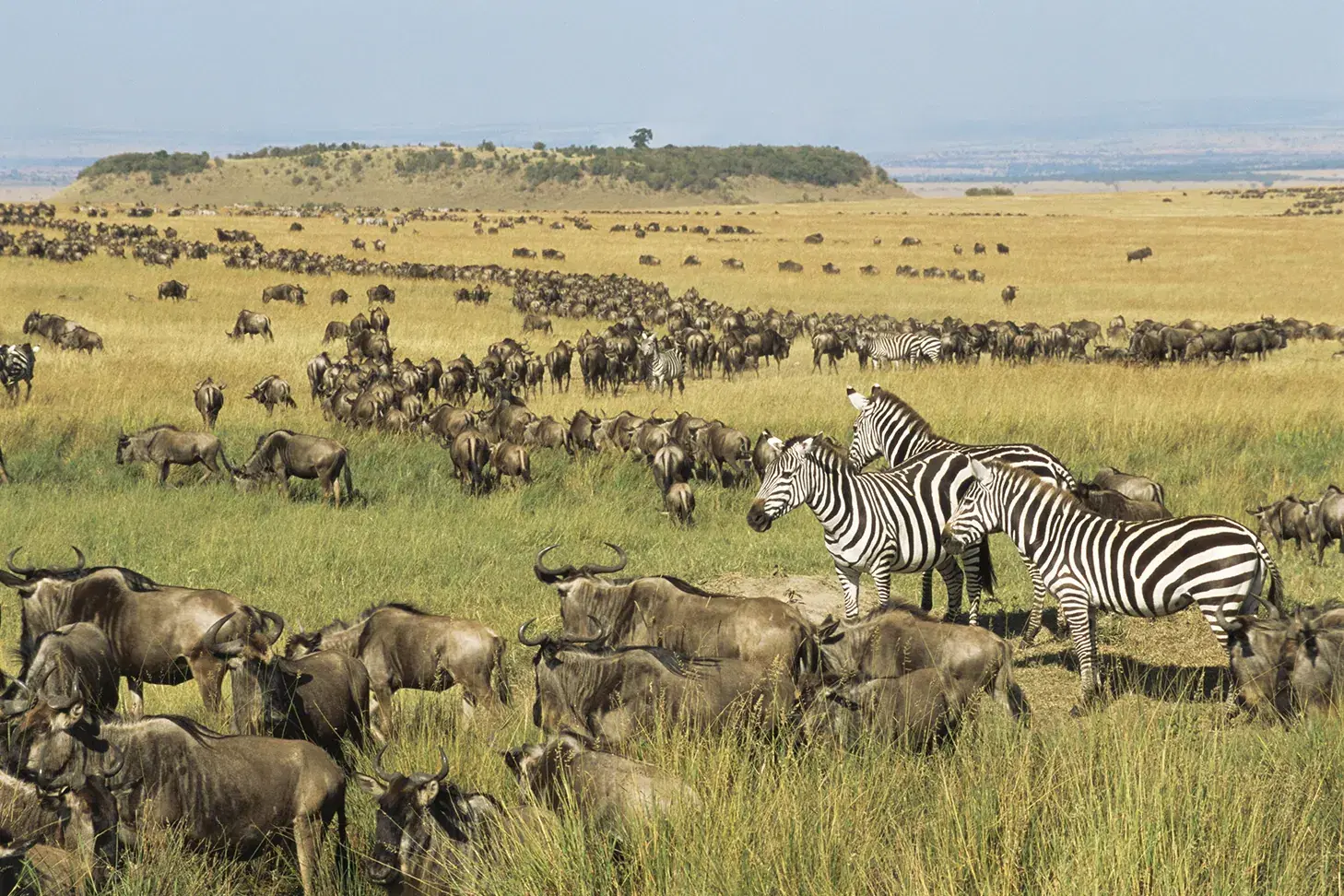
Summer holidays in Chile and the short dry season in East Africa. It is also the calving window in the southern Serengeti: hundreds of thousands of calves are born within a few weeks, and everything that hunts follows them. For families it is the best combination of the year.

July

Chile's winter school holidays and the opening of the migration season in the Masai Mara. It is also the month when demand takes off, so space has to be secured a long way ahead.

September

Chile's national holidays fall in the middle of the Mara's high season, probably the best month for the river crossings. The obstacle is not the destination but the length: a long weekend is not enough and you will have to ask for leave.

March to May

Outside the school calendar and in the middle of the long rains. For anyone travelling without children and not chasing the migration, it is the emptiest window of the year and the one with the most alive landscape.

In Uganda the trip revolves around forest rather than savannah, and what you go for is primates, not the migration. The driest months — June to August and December to February — are the ones that matter, because gorilla trekking means walking uphill through mud, and firm ground changes the whole day.

The other factor is the permit. Gorilla trekking permits are issued by name and capped per day, and in the dry months they go first. Booking early is not a brochure line here: it is the difference between doing the trek and not doing it.

Sitting on the equator does not mean heat all day. The Masai Mara and much of the Kenyan circuit are above fifteen hundred metres, and Nairobi is close to eighteen hundred. Morning game drives leave before dawn, in an open vehicle, on the move: it is genuinely cold, and it is the most repeated packing mistake of all.

By midday the sun is fierce and it feels like a different country. Clothing is planned in layers, not around an average temperature.

The specific doubts we get most often on this subject, answered plainly.

Which is the worst month for a safari in Africa?

There is no bad month, but April tends to be the hardest: it is the middle of the long rains, some dirt roads turn slow and certain camps inside the reserves close for the season. If those are the only possible dates, it is better to pick parks with good drainage and solid access roads.

Can you see the migration in January?

Yes, but in Tanzania rather than Kenya. In January the herds are out on the southern Serengeti plains, in the middle of calving season. The Mara River crossings, the image most people associate with the migration, happen on the Kenyan side between July and October.

Does travelling in low season mean seeing fewer animals?

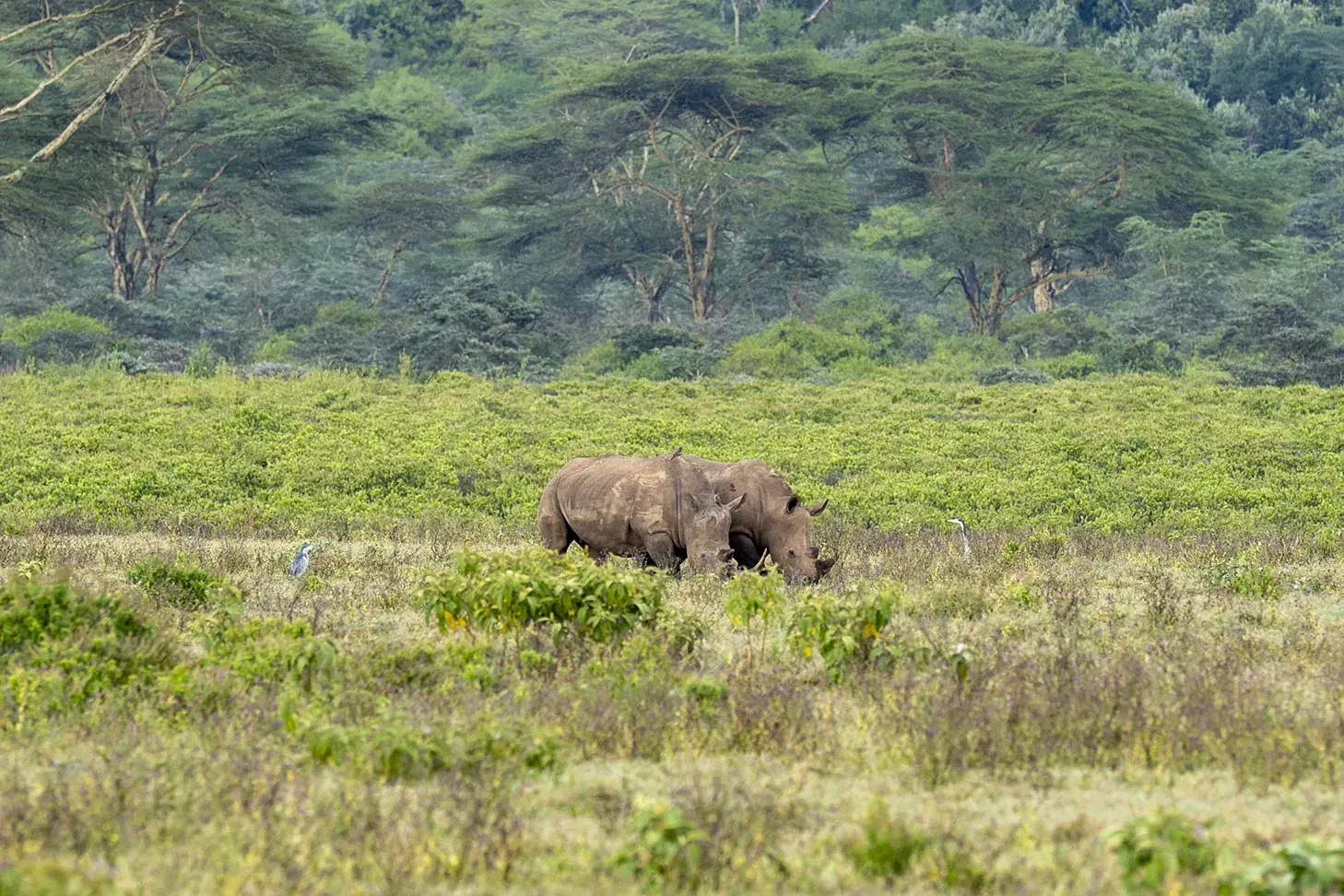
It means seeing them more scattered and with more vegetation in the way, not that they are absent. Resident wildlife — lions, elephants, giraffes, rhinos — does not migrate: it lives in the same parks all year round. What changes is how easy the sighting is, not whether the animals are there.

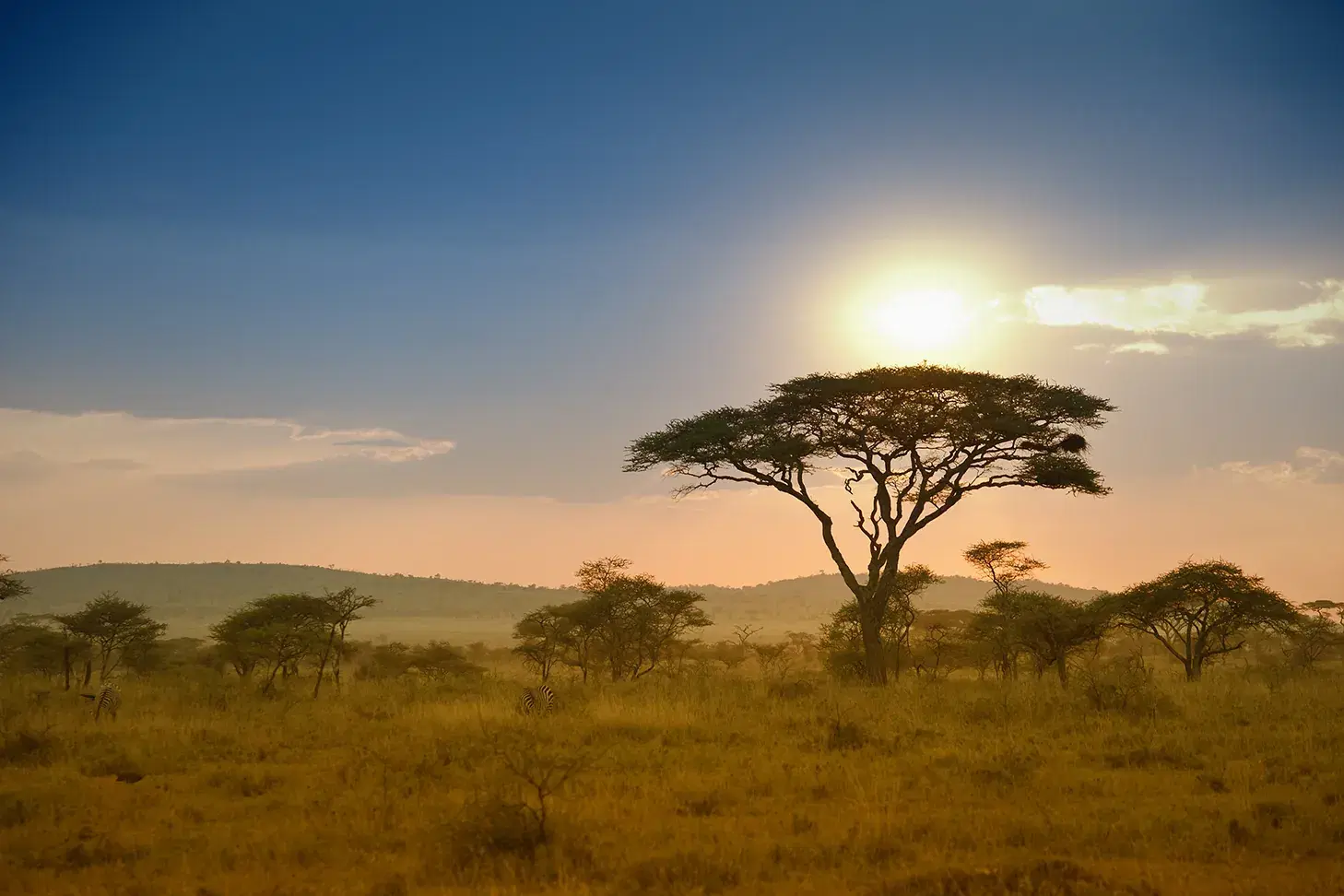
Sunset over the African savannah with an acacia silhouetted against the sun and zebra behind

We design trips that adapt to your pace, your interests and the way you want to be there.