Skip to content
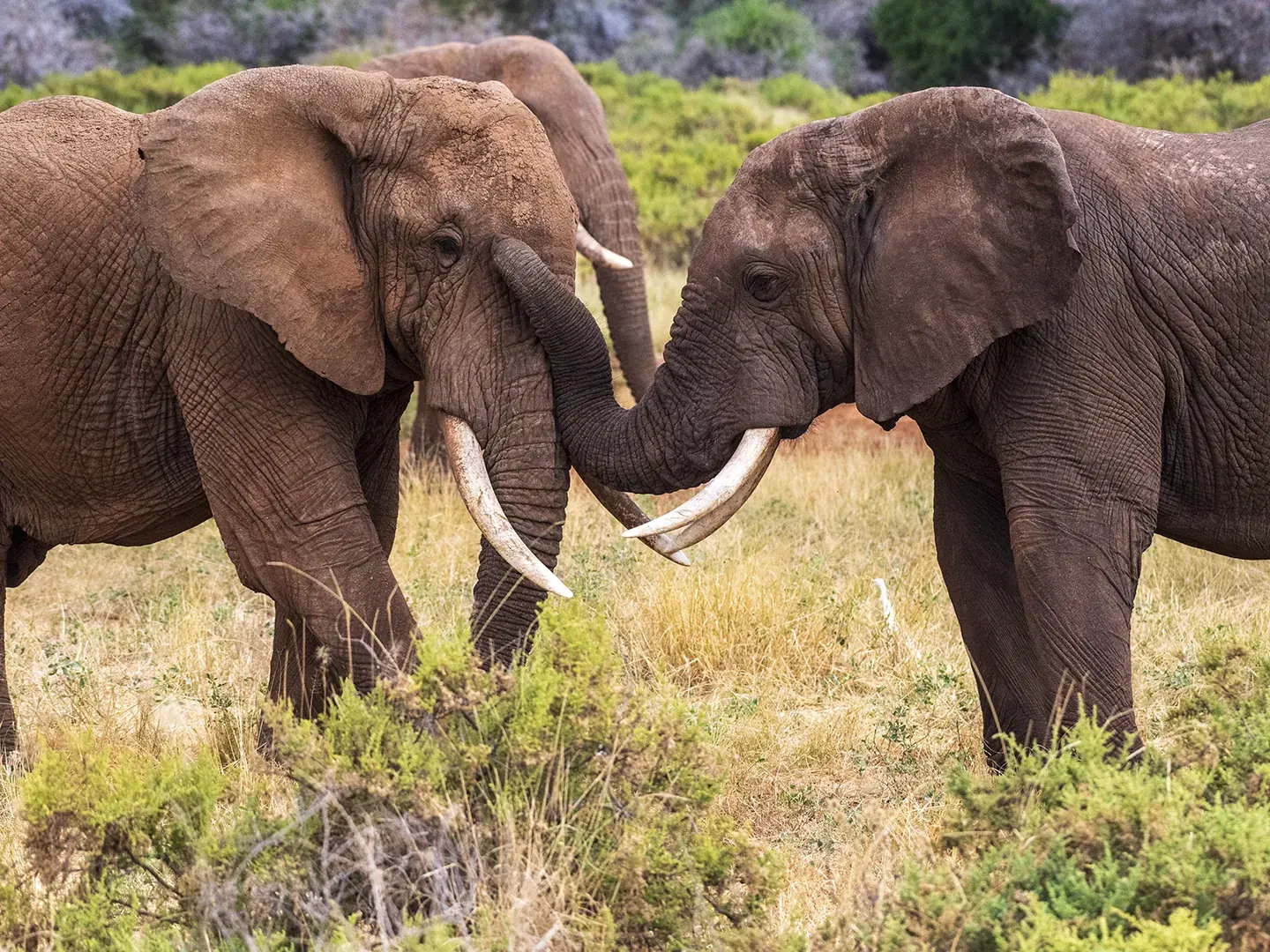
Two African elephants facing each other, touching trunks on the savannah

Guide

The factors that move the price of an African safari: accommodation category, season, group size, how many parks the route covers and what a quote really includes.

Five things set the price of a safari: the category of accommodation, the season, how many people are travelling, how many parks the itinerary covers and whether transfers are by road or by light aircraft. Of all of them, accommodation weighs most: two itineraries that look identical on paper can differ several times over in price purely because of where you sleep.

A safari is not a catalogue product with a fixed price. The same itinerary, the same number of days and the same parks can cost very different amounts depending on decisions taken before anyone draws up a quote.

Publishing a “from” figure would have one effect only: the real quote would then look nothing like it. We would rather explain what moves the price, so that when the proposal arrives you can see where every line comes from.

1. Category of accommodation

By some distance the heaviest factor. The same route can be run with simple camps or with high-end lodges, and the gap between the two moves the total more than anything else. That is why our itineraries say “according to the category selected”: it is your decision, not an assumption of ours.

2. Season

July to October in the Masai Mara and the end-of-year holidays are the periods of highest demand, and accommodation rates reflect it. The green season, between March and May, is appreciably more affordable, with the same resident wildlife in the same parks.

3. How many people travel

The vehicle, the fuel and the guide cost the same with two passengers as with six, and that cost is split between everyone on board. This is why the price per person falls as the group grows, and why a couple travelling alone pays proportionally more than a family of four.

4. How many parks the itinerary covers

Every national park and reserve charges an entry fee set by the country's authority, per person and per day of stay. Adding destinations does not only add transfers: it adds entry fees. A three-park itinerary and a five-park one are not comparable even if they last the same.

5. How the transfers are made

Travelling overland in a 4×4 costs less and lets you see the country between one park and the next. Flying in a light aircraft saves hours on the road and opens up itineraries that do not work overland, at a noticeably higher cost. It is a decision of time against budget.

This is where the misunderstandings happen, and it is worth being clear about before comparing two proposals:

International flights

The leg from Chile is normally quoted separately, because its price depends on when you buy and which route you take, not on the safari.

Travel insurance

Our packages do not include it. We do advise on taking out the policy that suits the itinerary and its length, with particular attention to medical evacuation cover.

Visas and entry formalities

These are paid directly to each country's authority and vary by nationality and route.

Tips

For the guide and the staff at the accommodation. It is an established custom on the circuit and worth budgeting for in cash.

Special permits

Gorilla trekking in Uganda is paid for per named permit and per person, and is a substantial line in the budget in its own right.

Two proposals with the same title, the same length and the same parks can be different trips. A vehicle shared with other passengers is not a private vehicle. A lodge on the edge of the park is not a camp inside the reserve, and that difference is paid for in transfer minutes every morning. One night less in the Mara changes the odds of seeing what you went to see.

The useful way to compare is to read the detail line by line: exactly where you sleep, how many full game-viewing days there are inside each park, whether the vehicle is private and what is and is not included. Price on its own says nothing.

We start with your dates, because they set the season and what is available. Then the category of accommodation, which is the decision that moves the total most. With that we build the route and hand you a proposal with named properties rather than generic categories, and with the price per person broken down.

All of it discussed directly with you, in your own language, and reviewed before anything is committed: we set up meetings beforehand for exactly that. And payment can be made in interest-free instalments, which is what makes it possible to plan a trip of this scale without it depending on a single outlay.

The specific doubts we get most often on this subject, answered plainly.

How much does a safari in Africa cost from Chile?

There is no single figure: the price depends on the category of accommodation, the season, how many people are travelling, how many parks the itinerary covers and whether transfers are by road or by light aircraft. We quote each programme to measure on those variables and give you the breakdown per person.

What makes a safari most expensive?

The category of accommodation, by some distance. On the same route and with the same parks, the gap between a simple camp and a high-end lodge is the factor that moves the total most. After that come the season and the use of internal flights on light aircraft.

Can a safari be paid for in instalments?

Yes. We work with interest-free instalments, so that planning the trip does not depend on a single outlay.

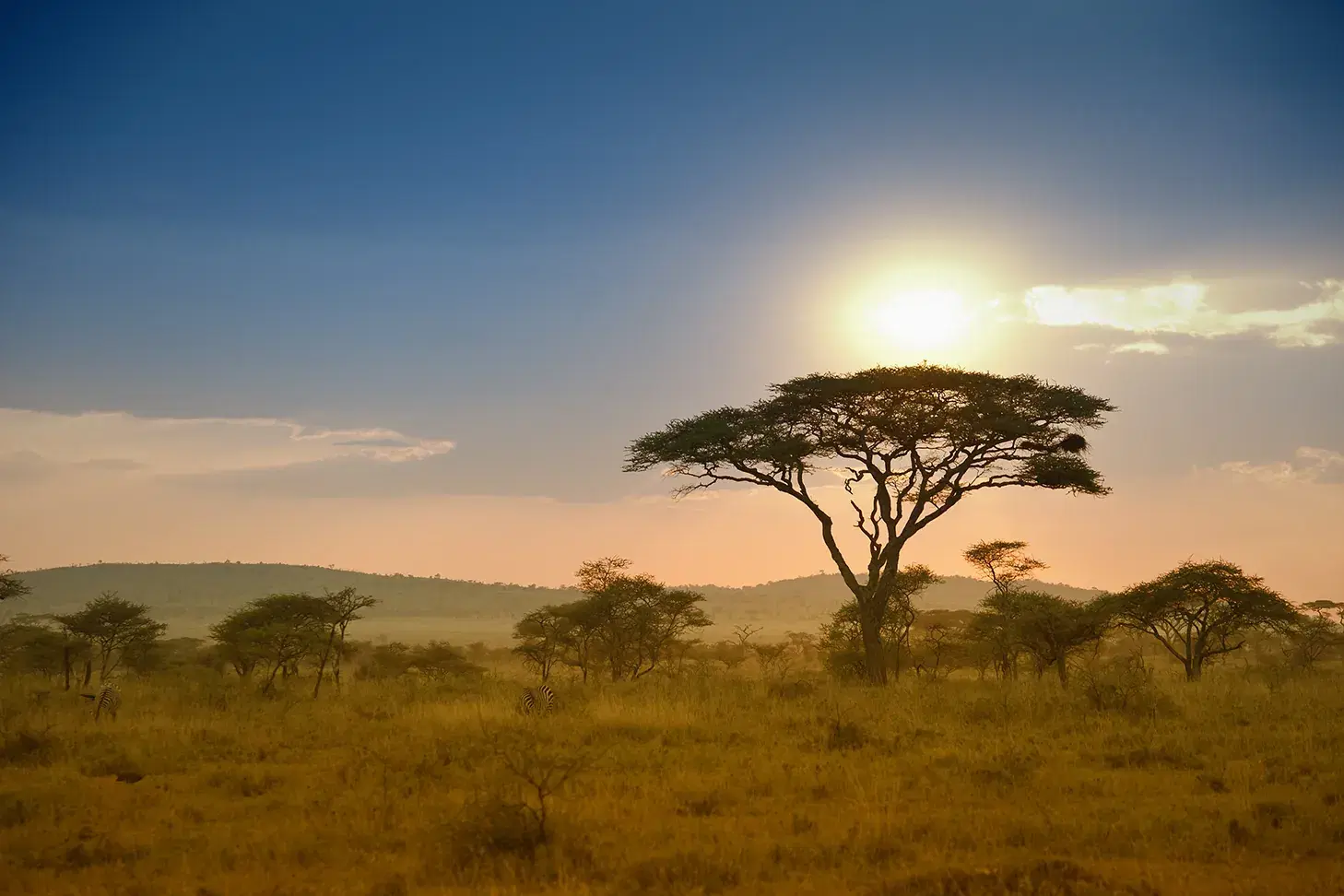
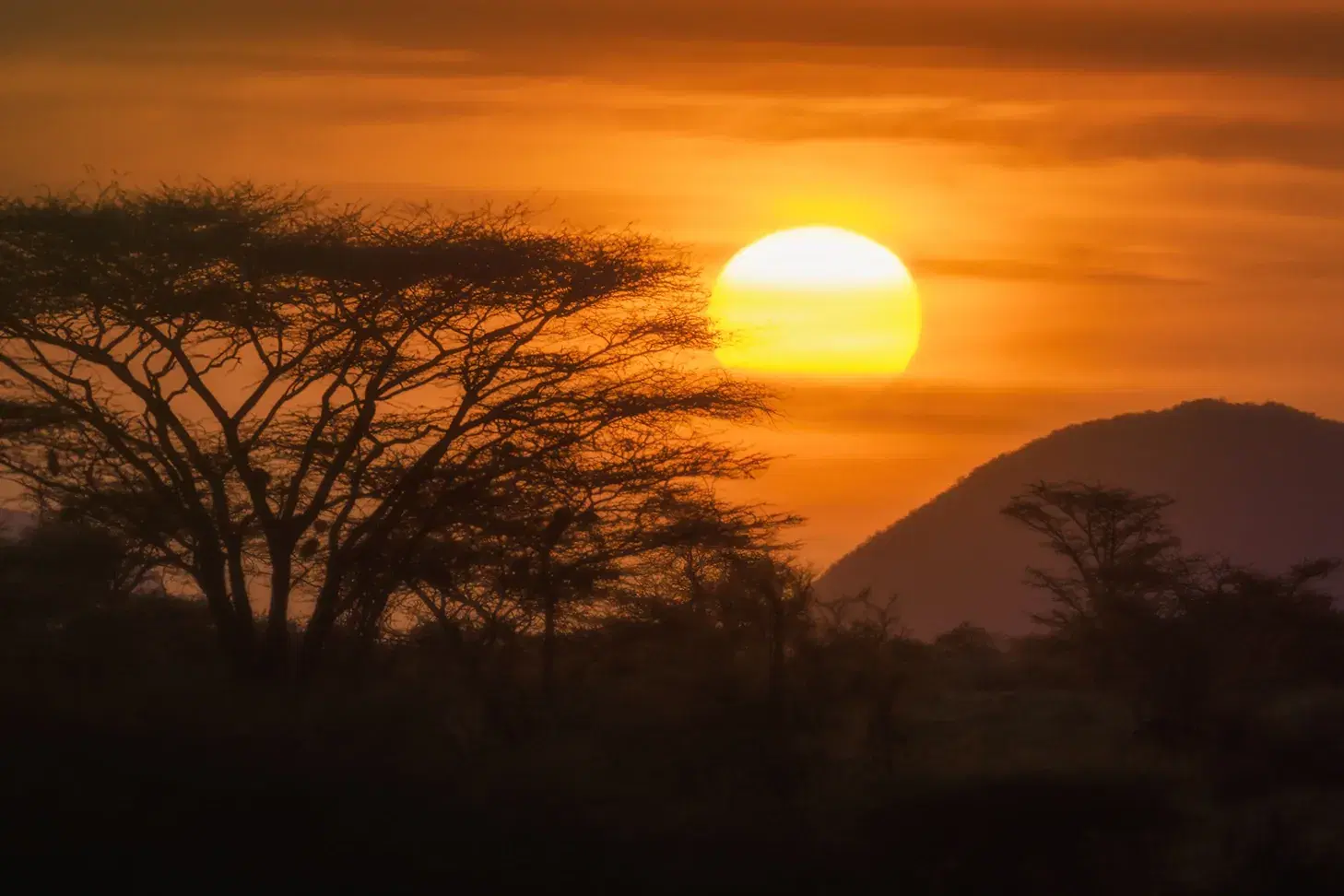
Sunset over the African savannah with an acacia silhouetted against the sun and zebra behind

We design trips that adapt to your pace, your interests and the way you want to be there.